


For our international readers: at the end of the article, you can find the text in English.
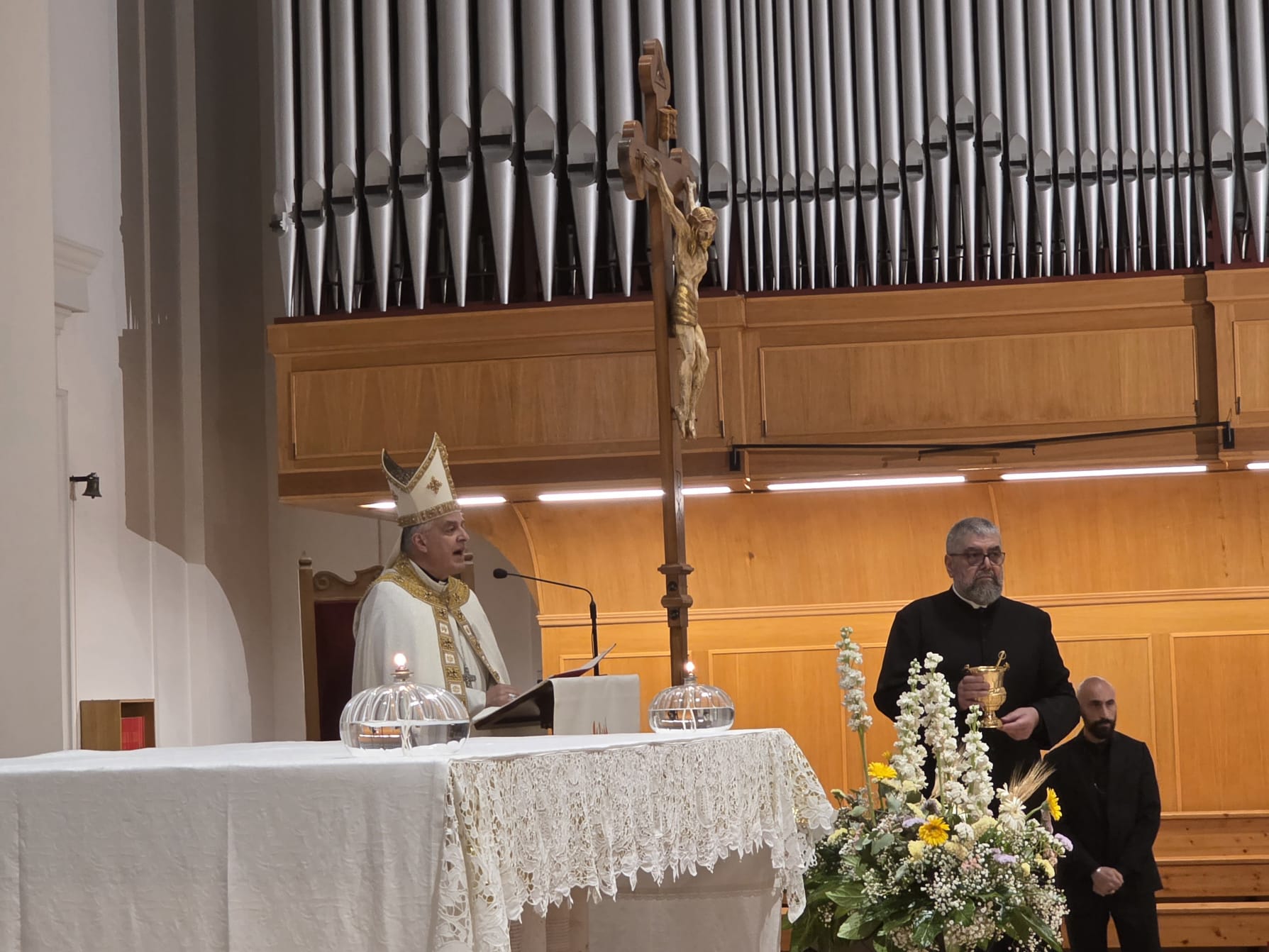
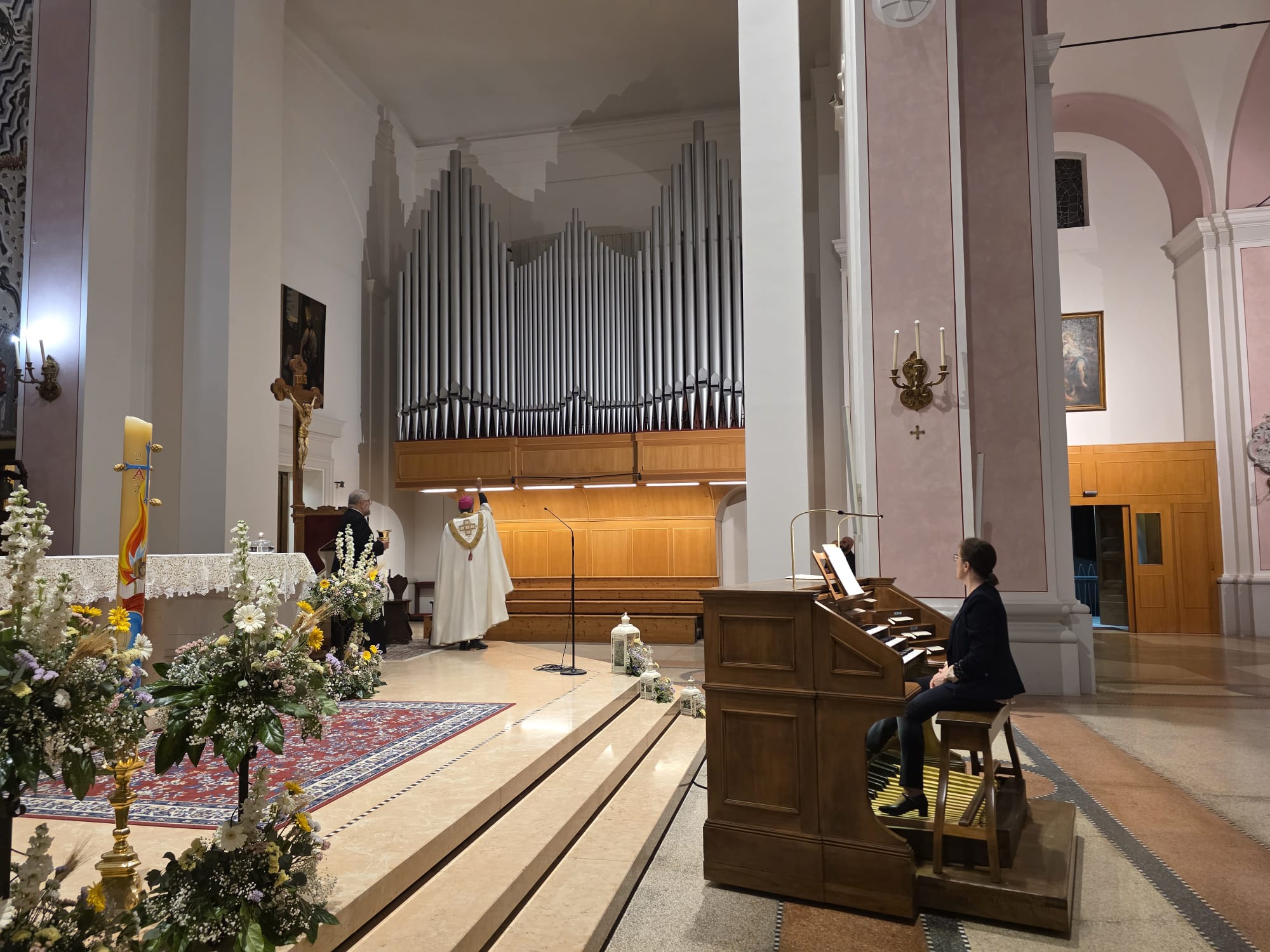
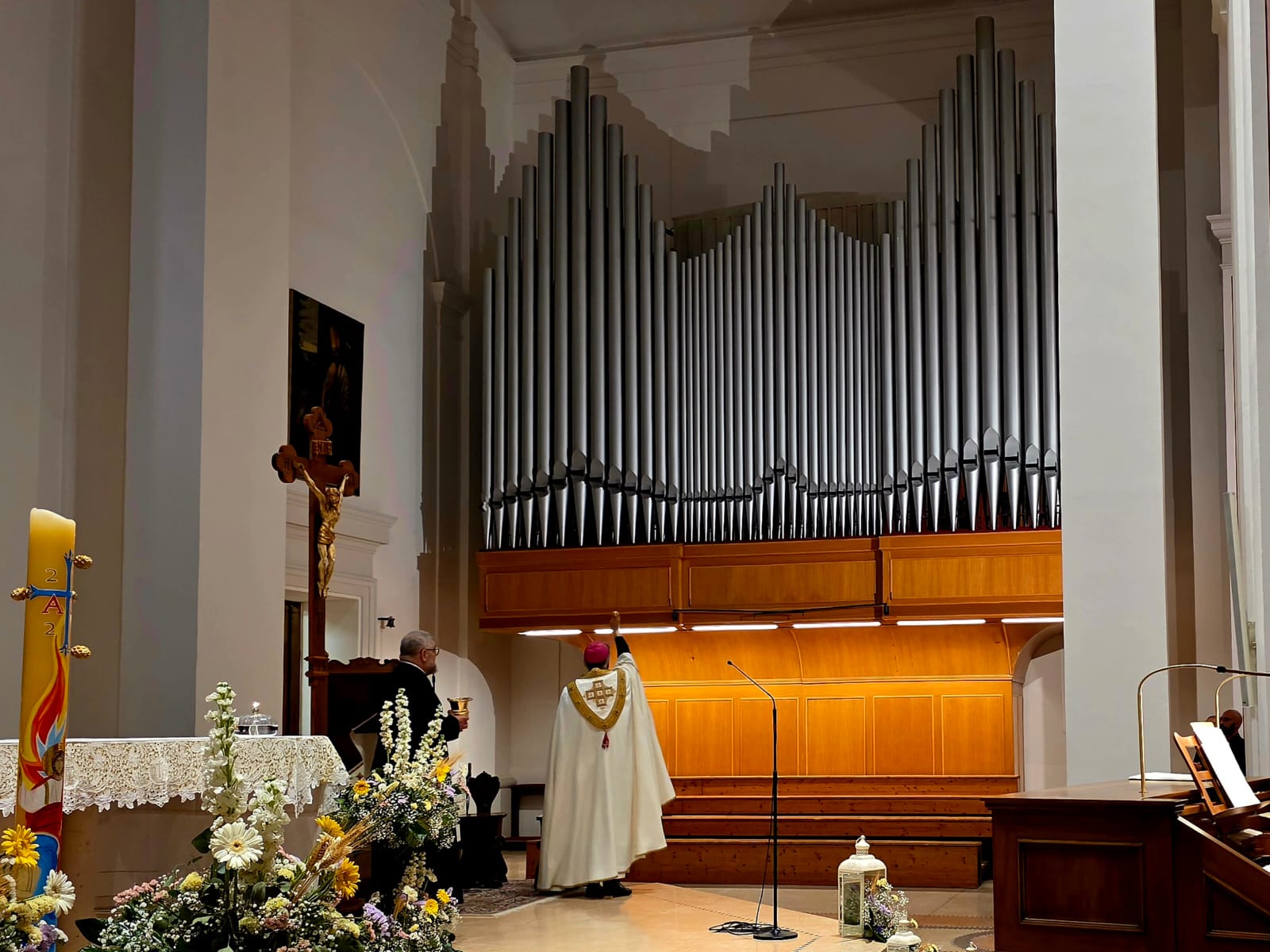
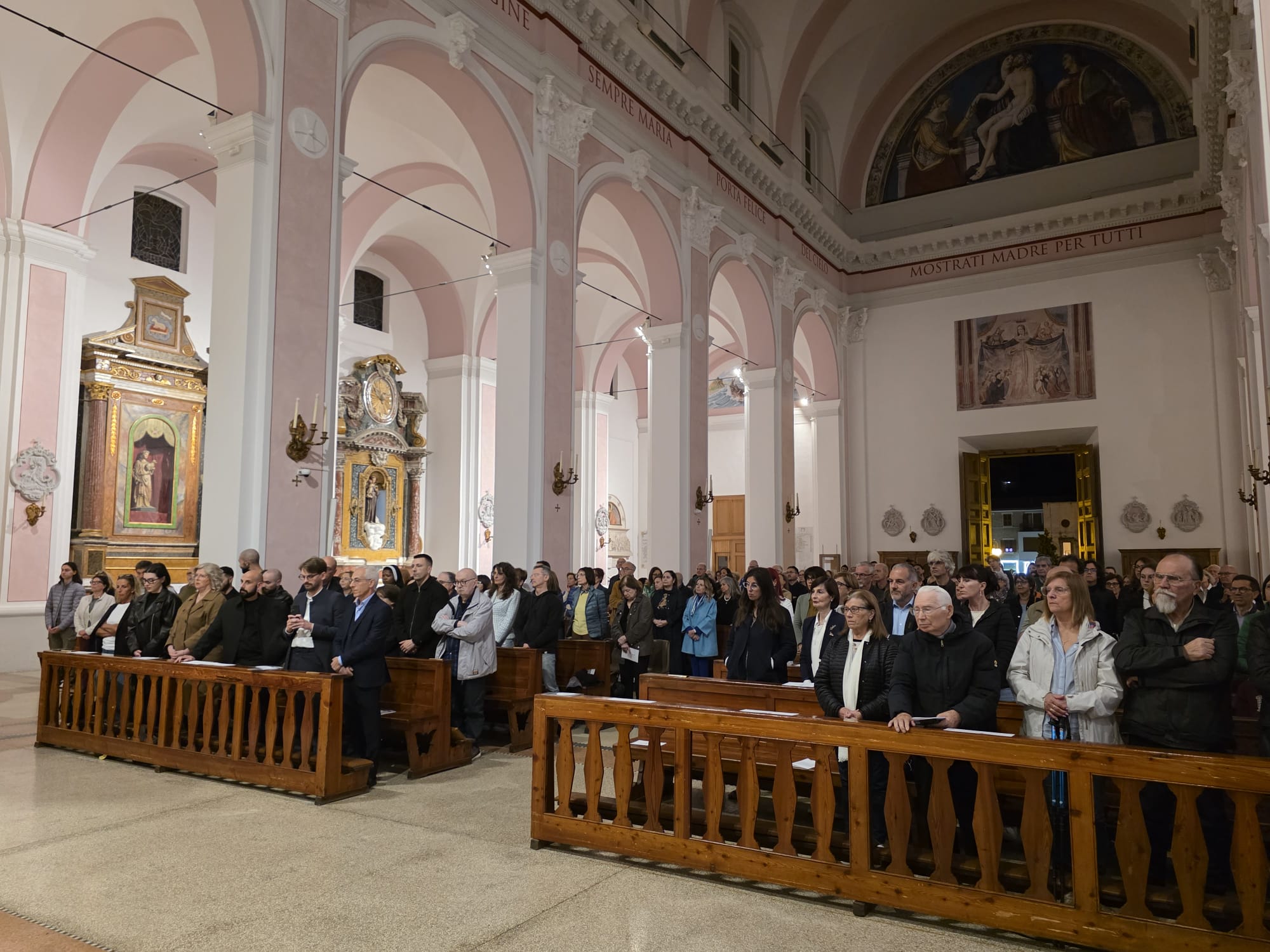
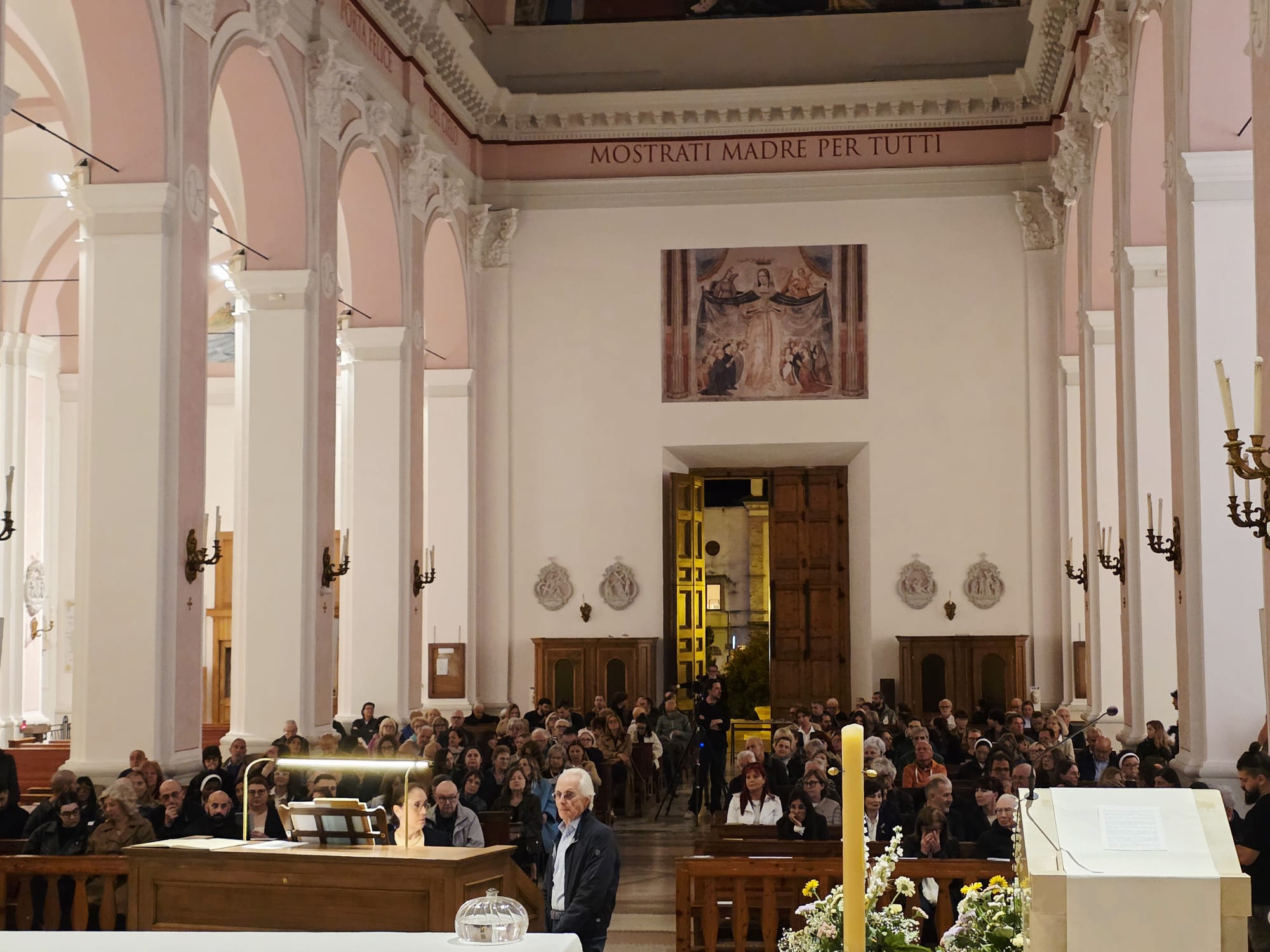
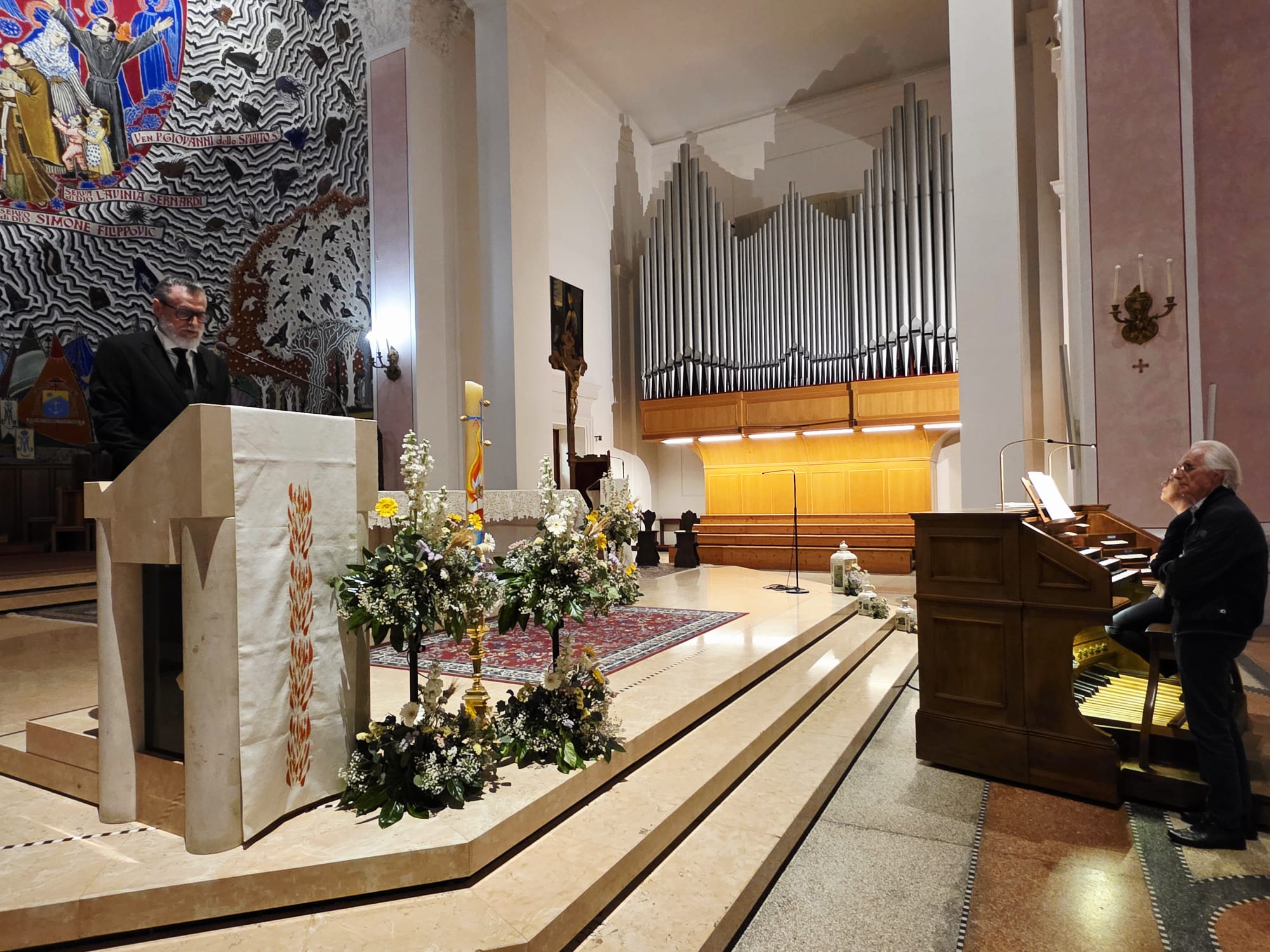
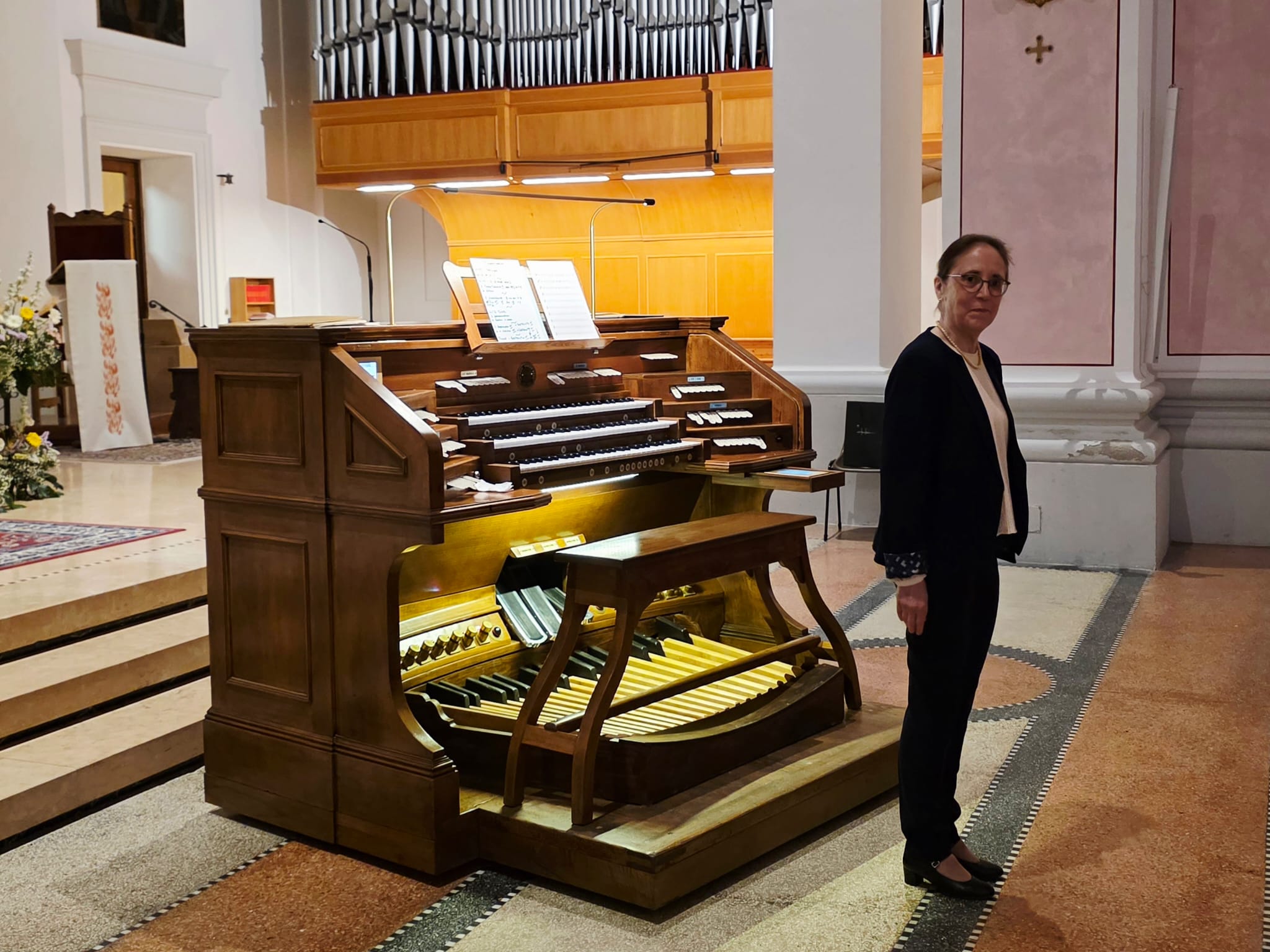
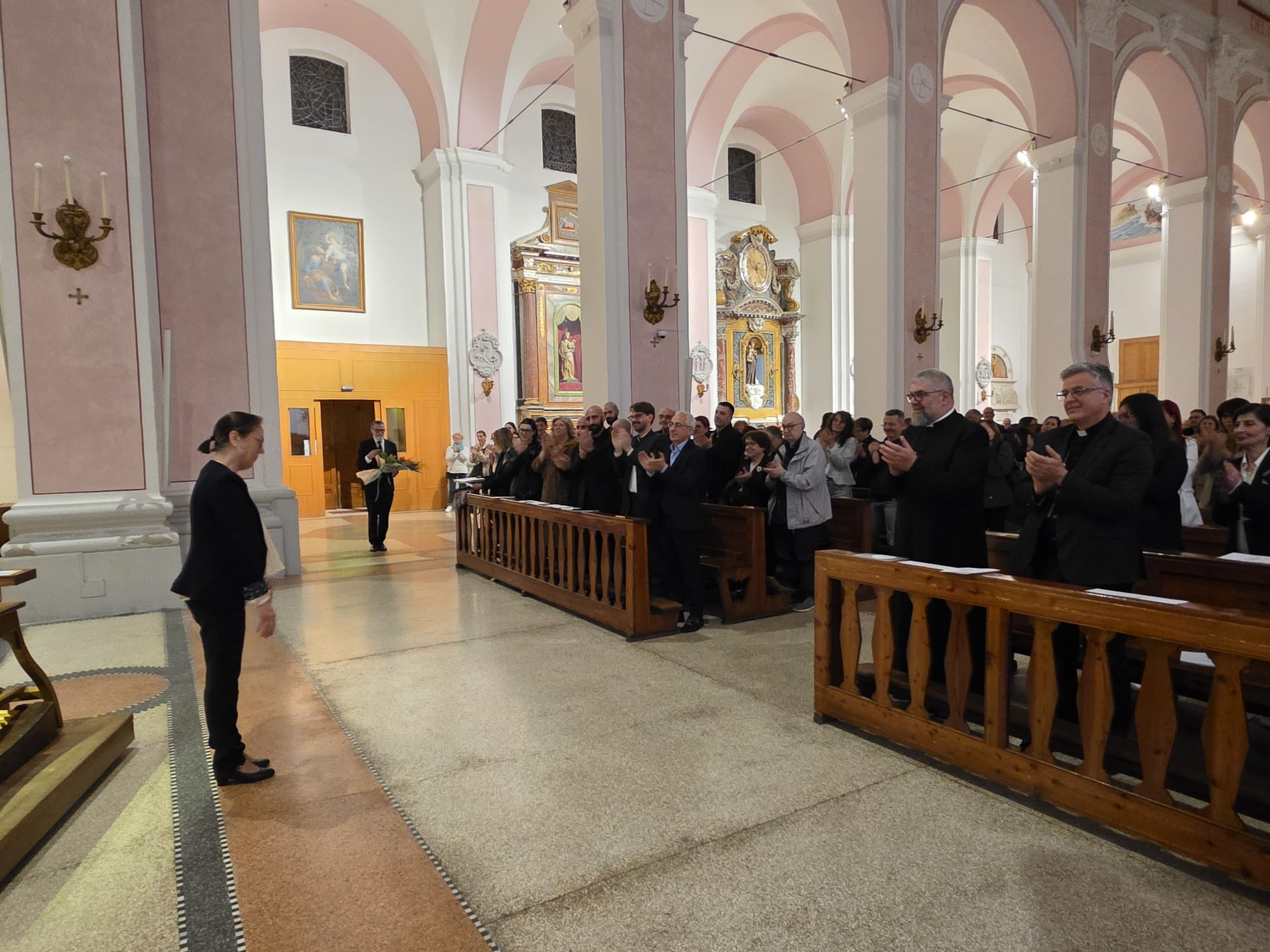
SAN BENEDETTO DEL TRONTO – Un’atmosfera di grande emozione ha pervaso ieri sera, Venerdì 15 Maggio 2026, le navate gremite della cattedrale Santa Maria della Marina in San Benedetto del Tronto, quando, alle ore 21:30, il Grande Organo a canne Balbiani-Vegezzi-Bossi, con i suoi 51 registri, è tornato a suonare dopo un lungo e complesso restauro.
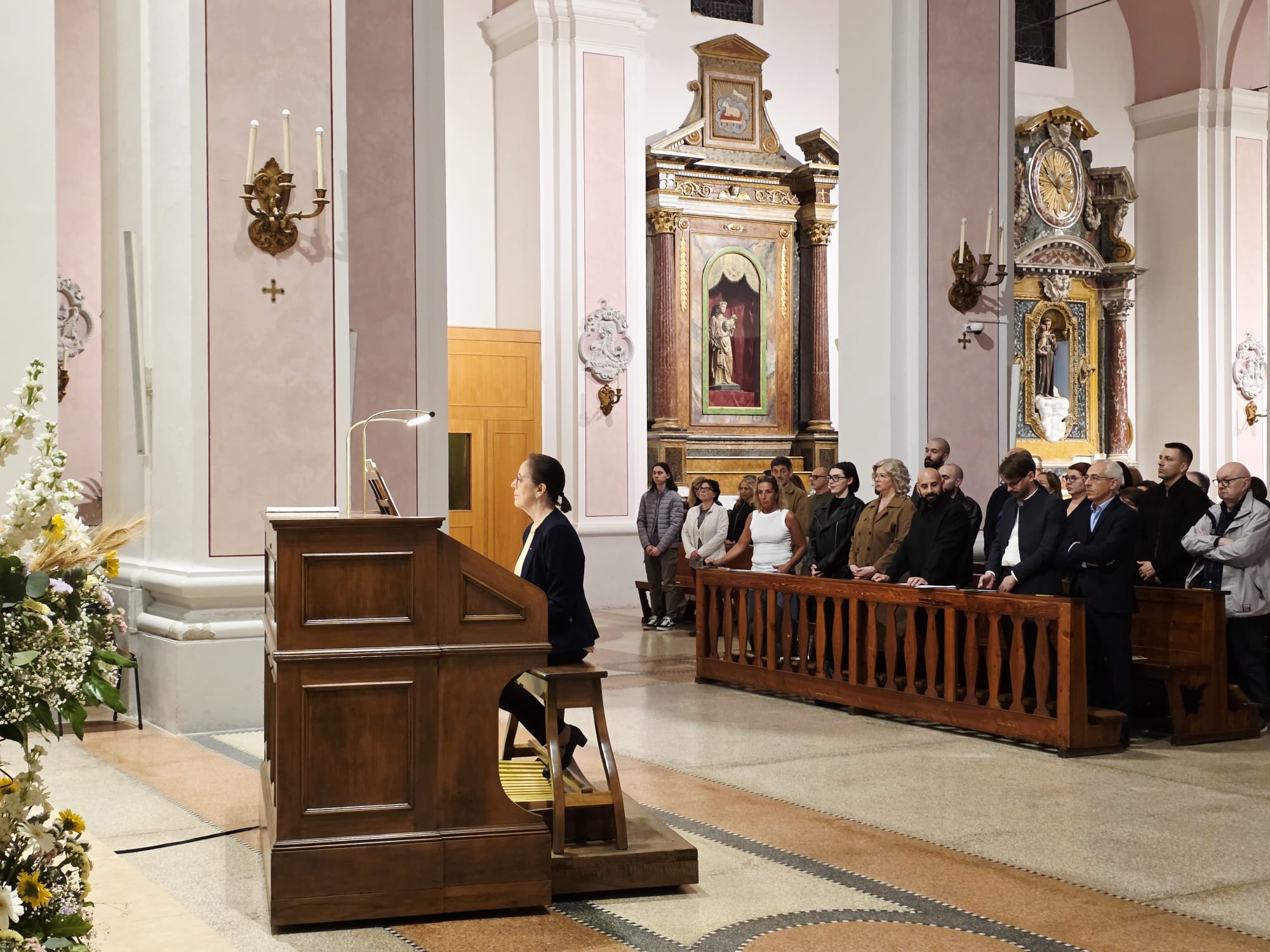
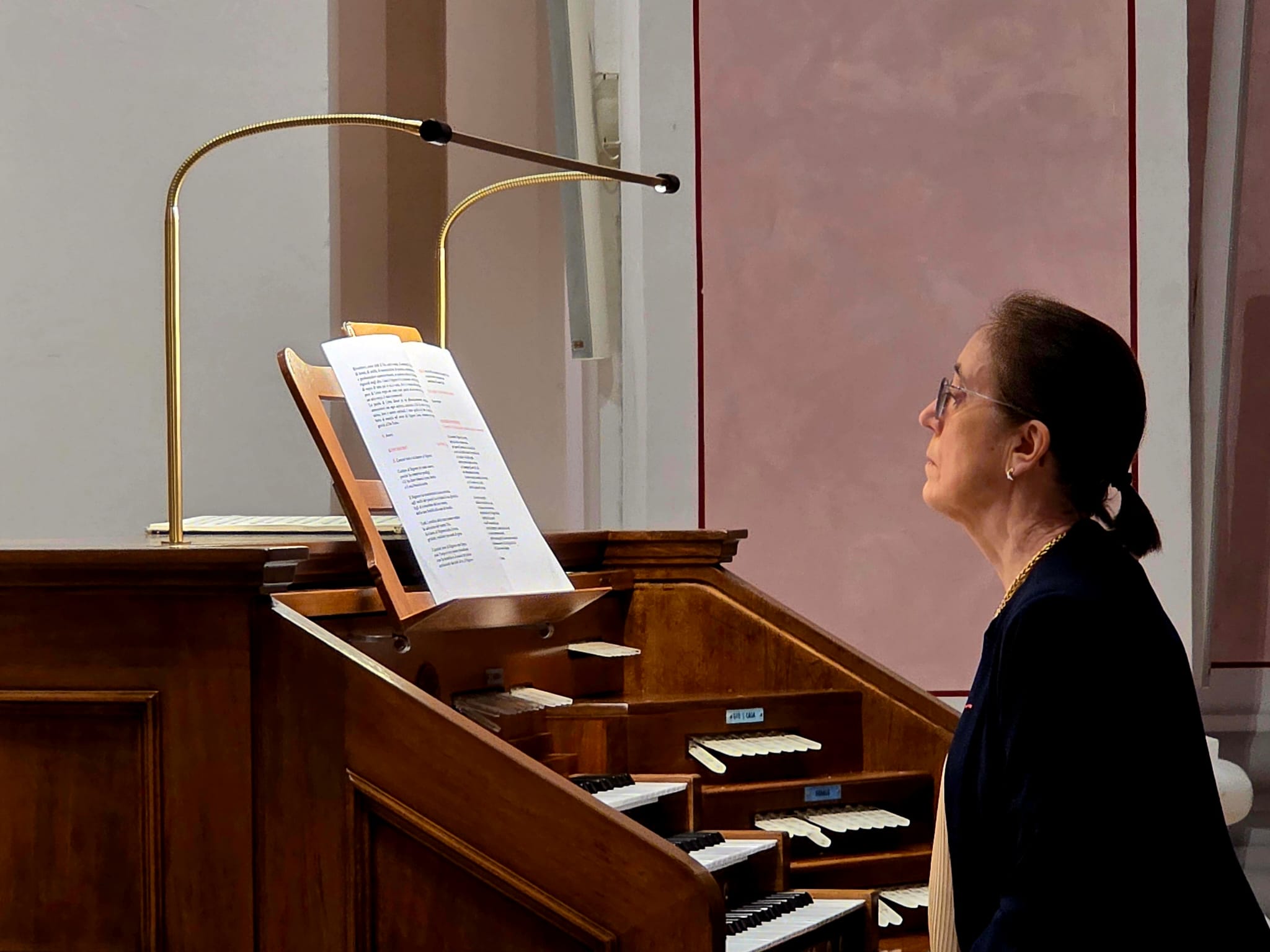
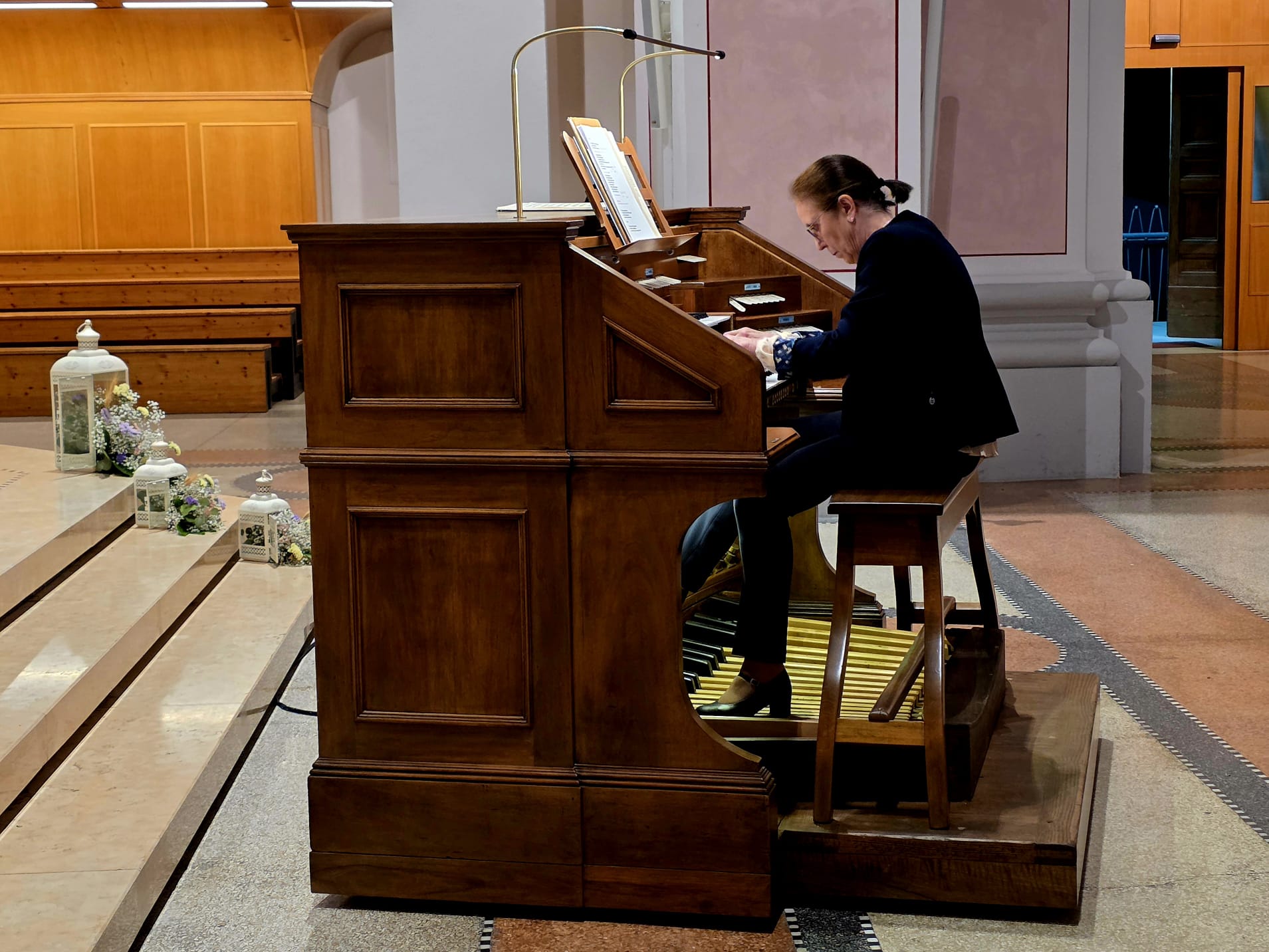
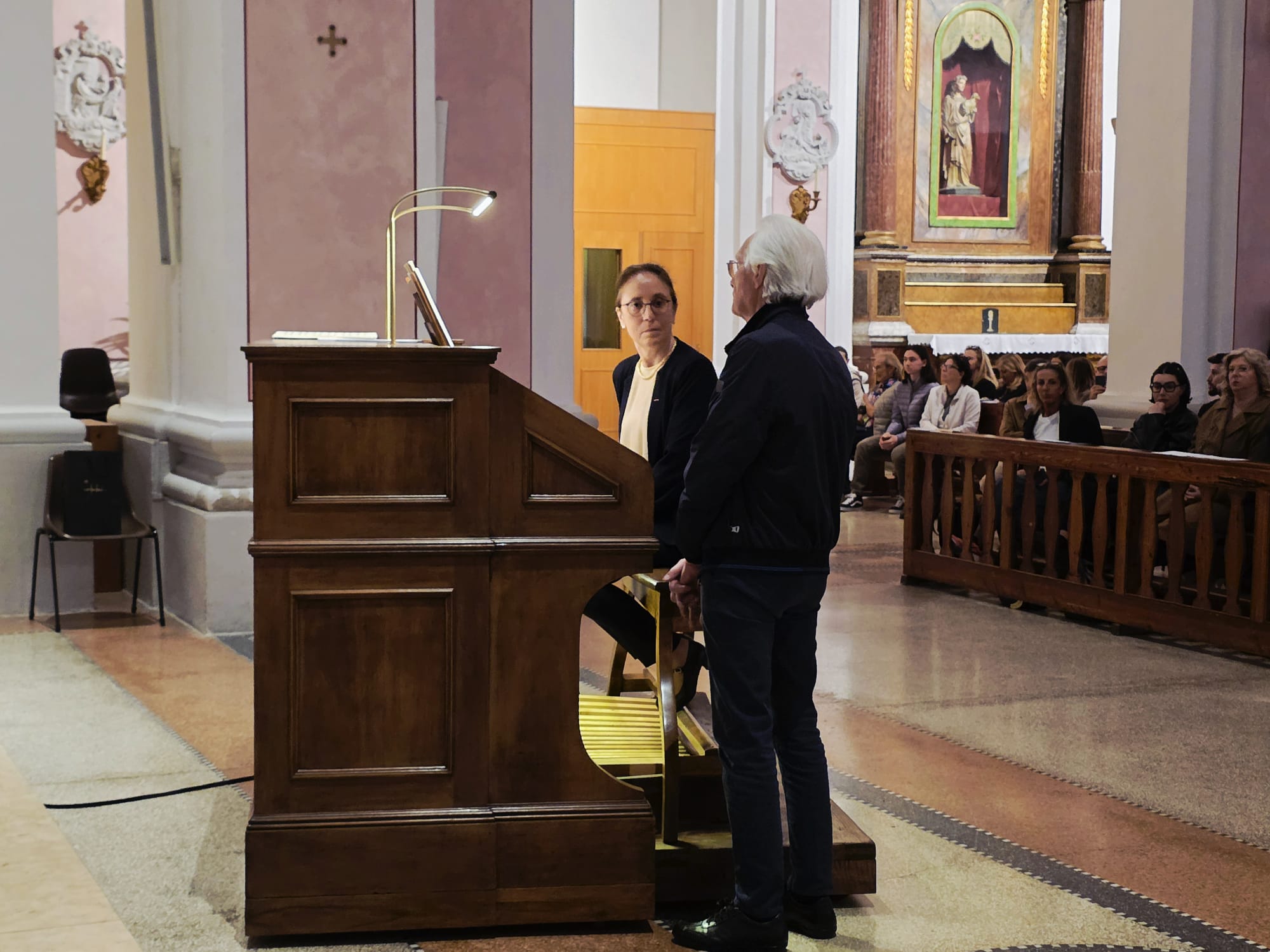
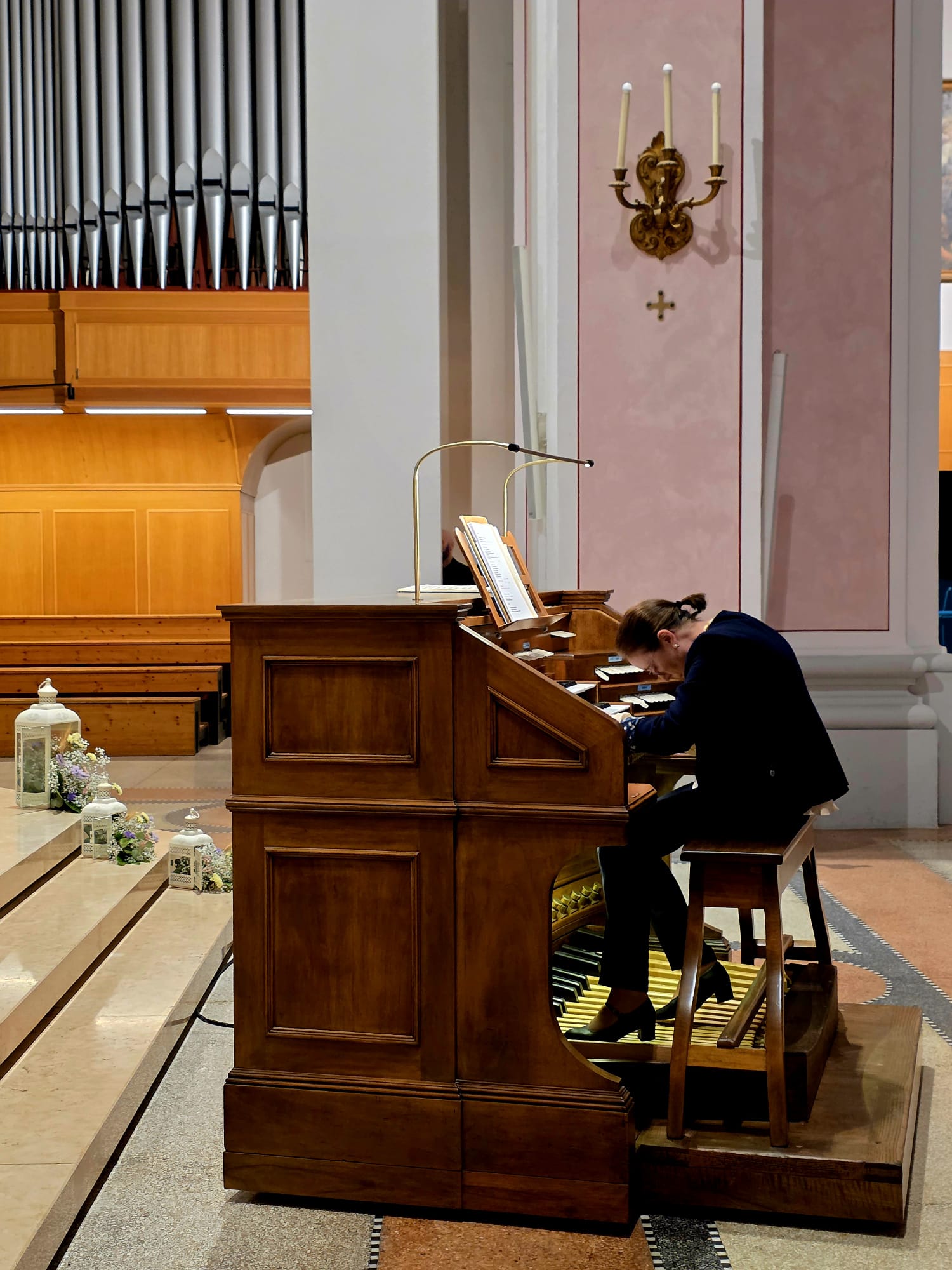
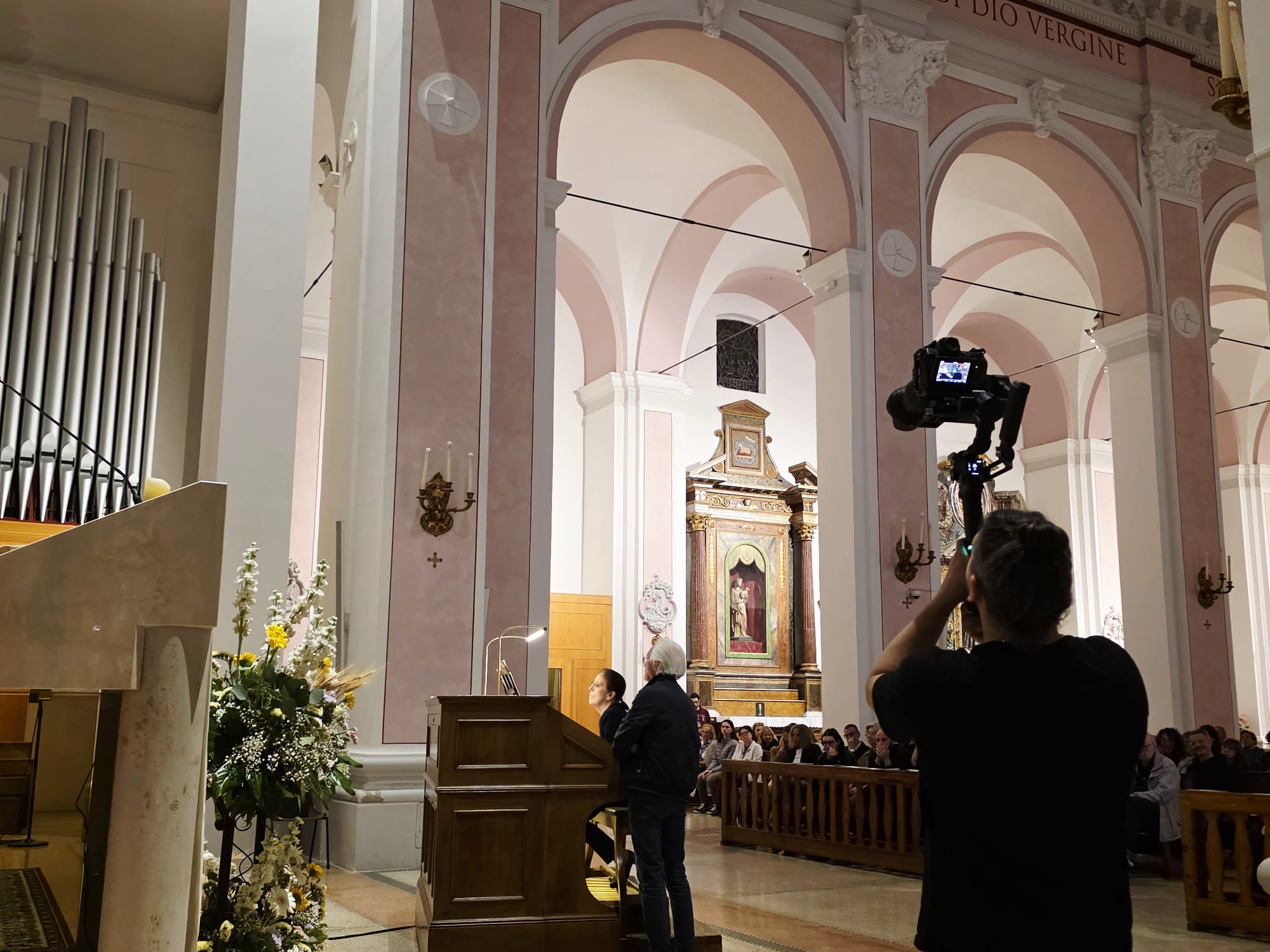
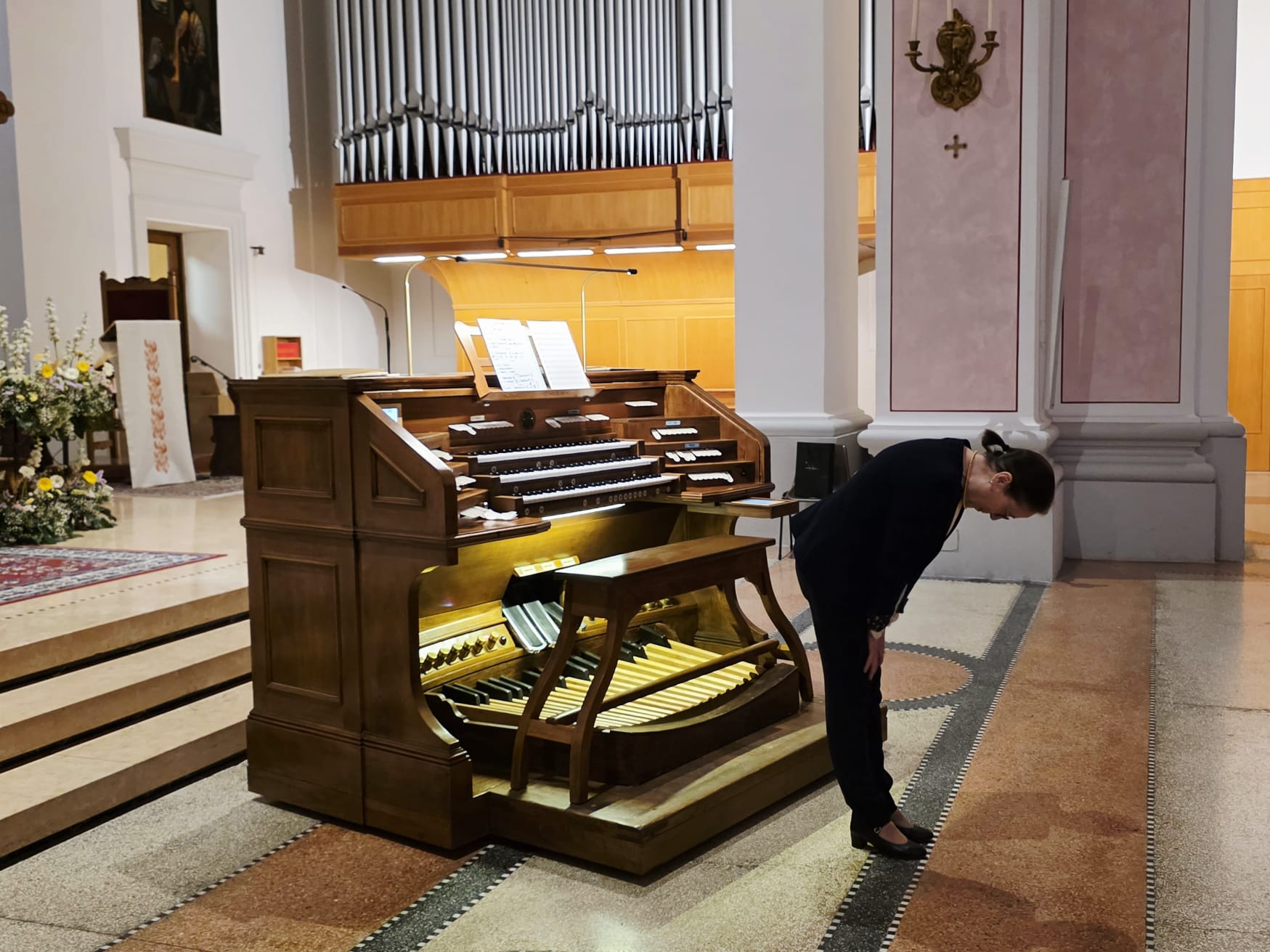
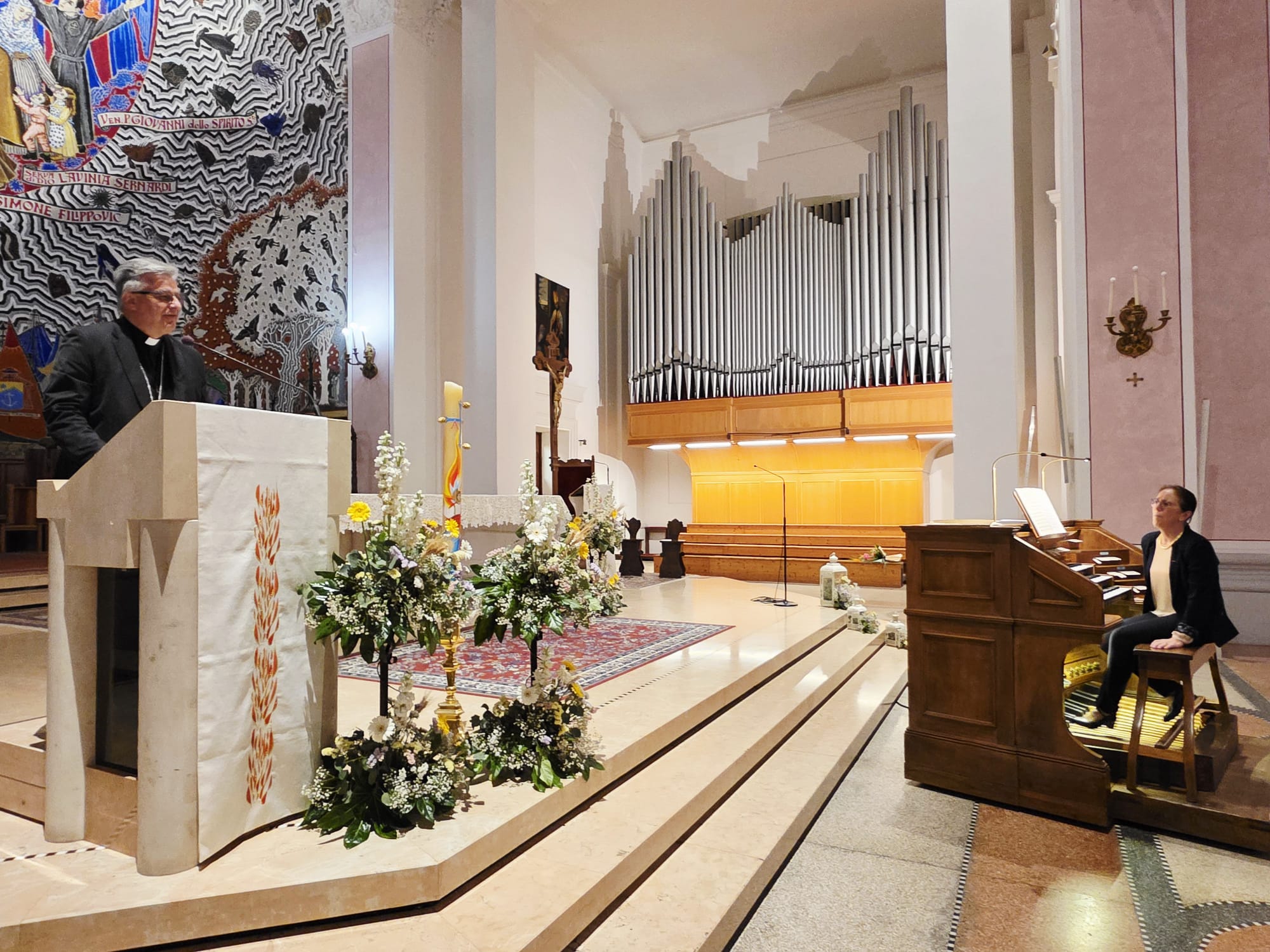
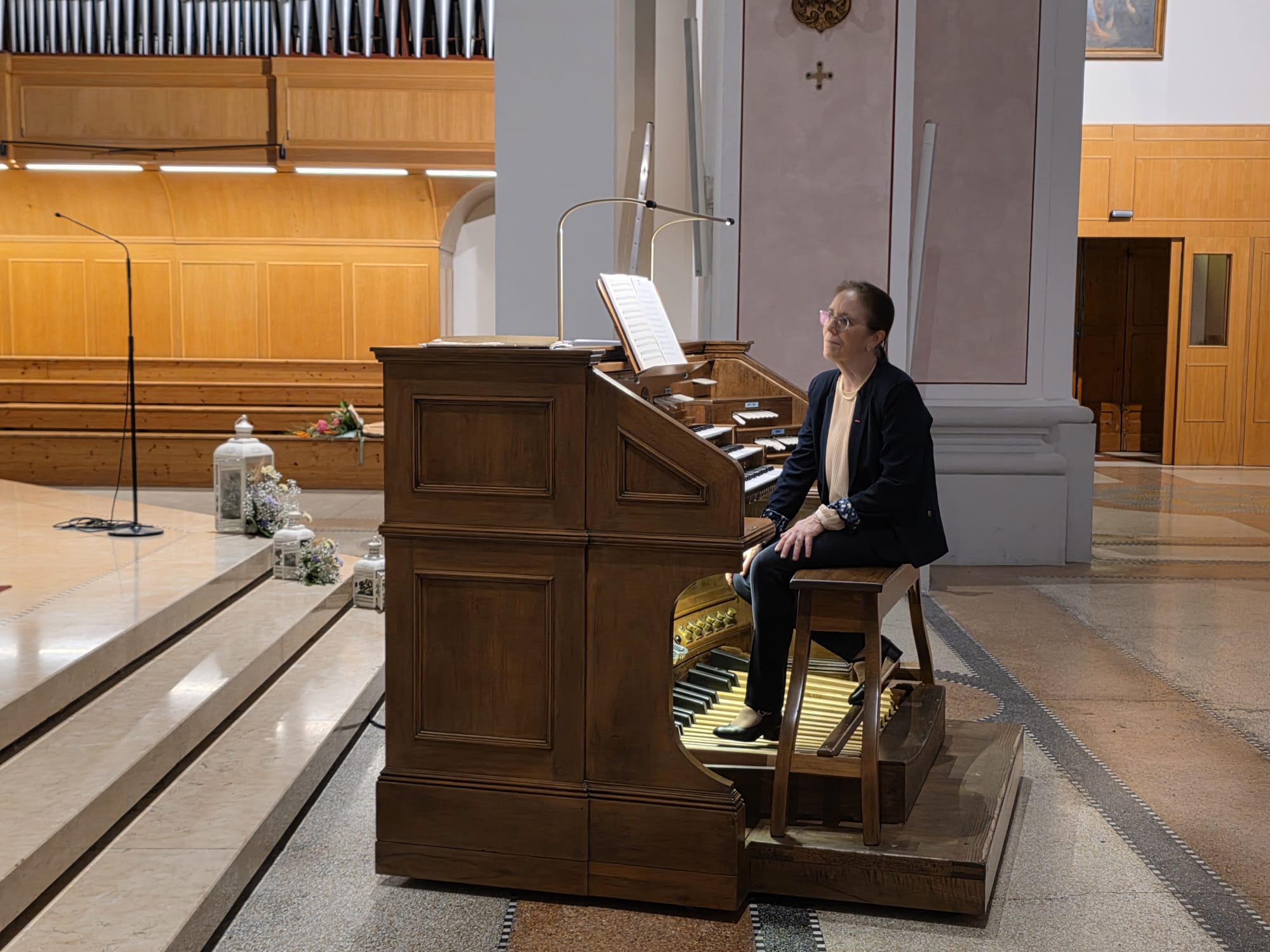
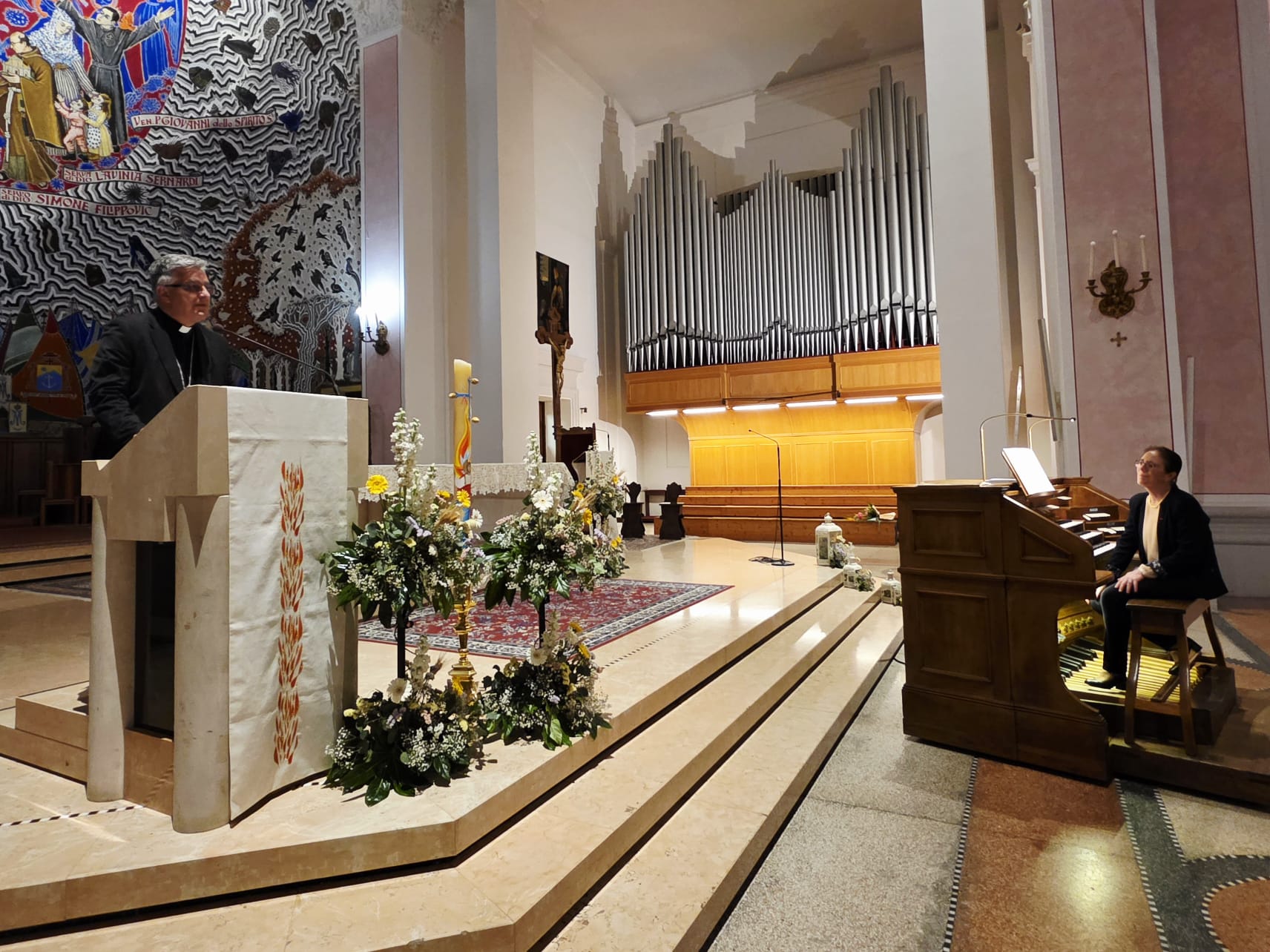
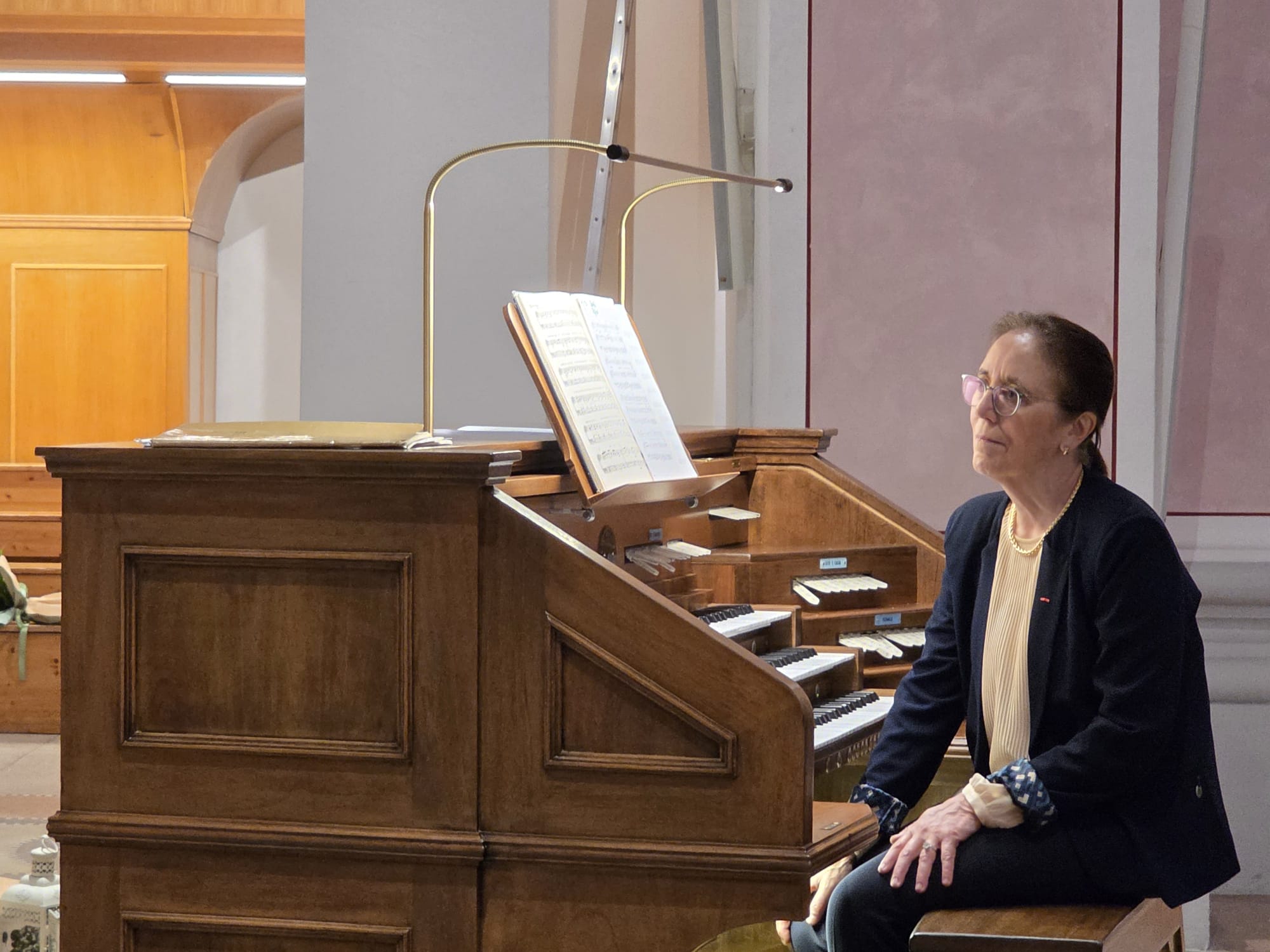
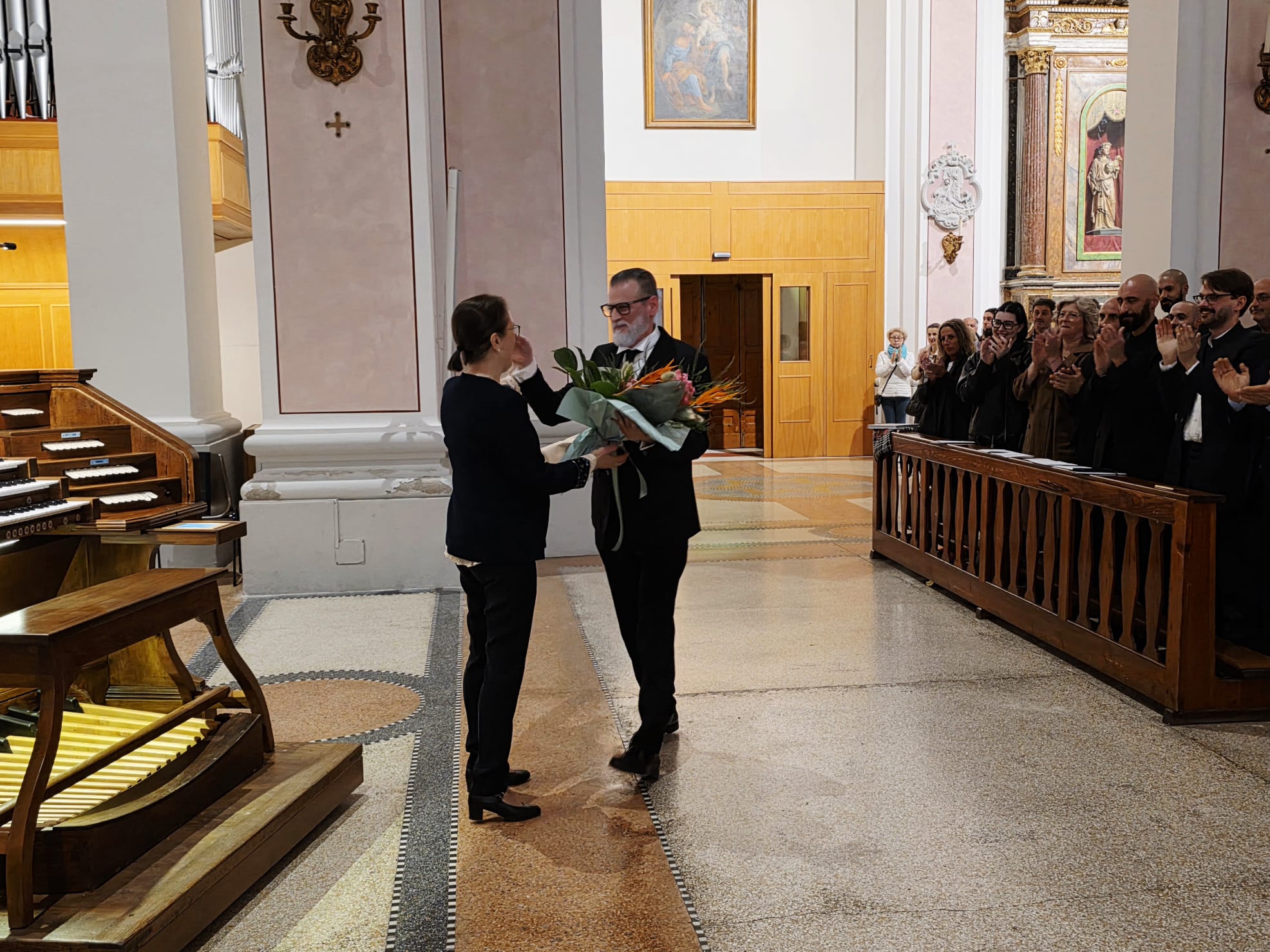
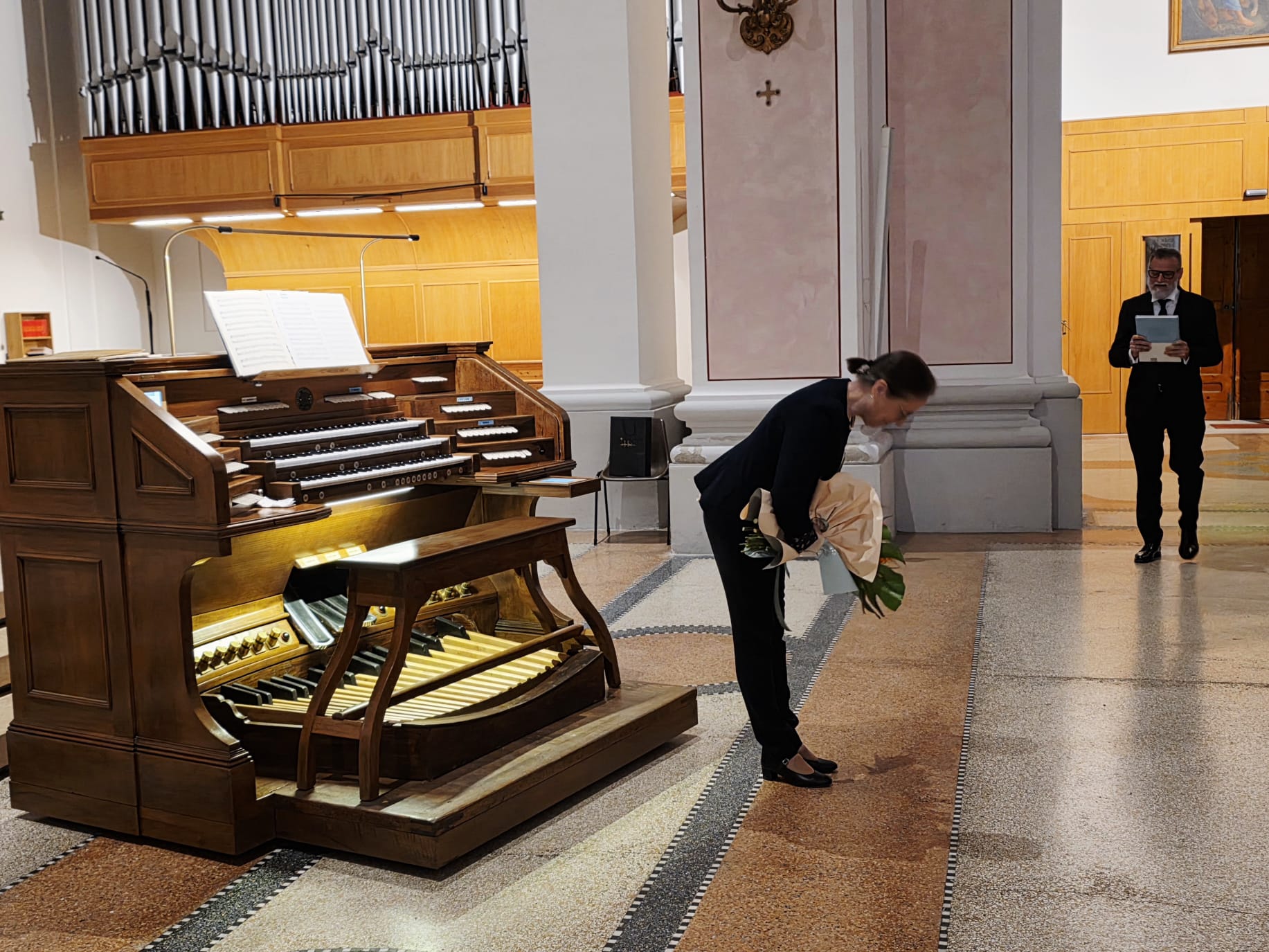
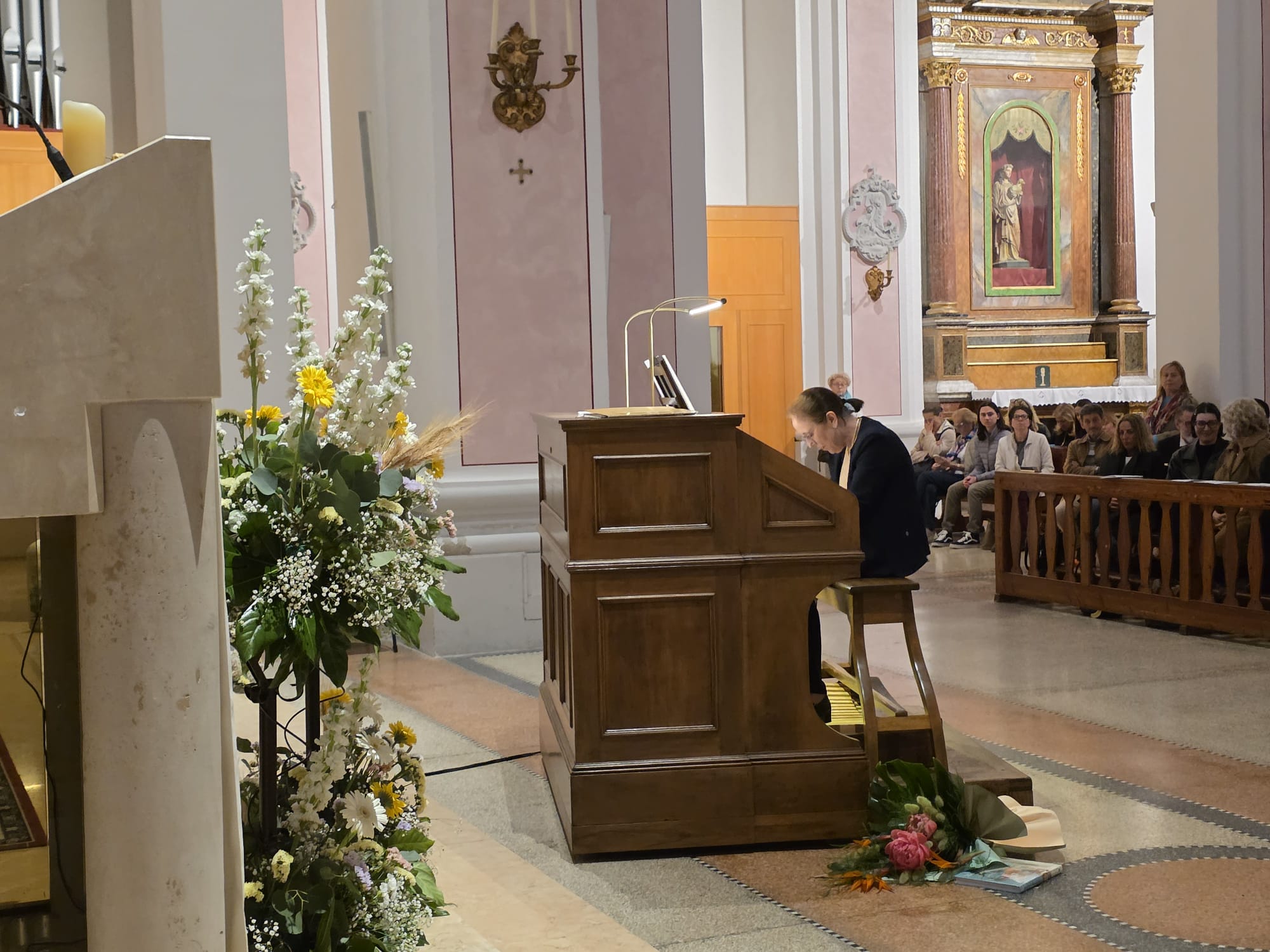
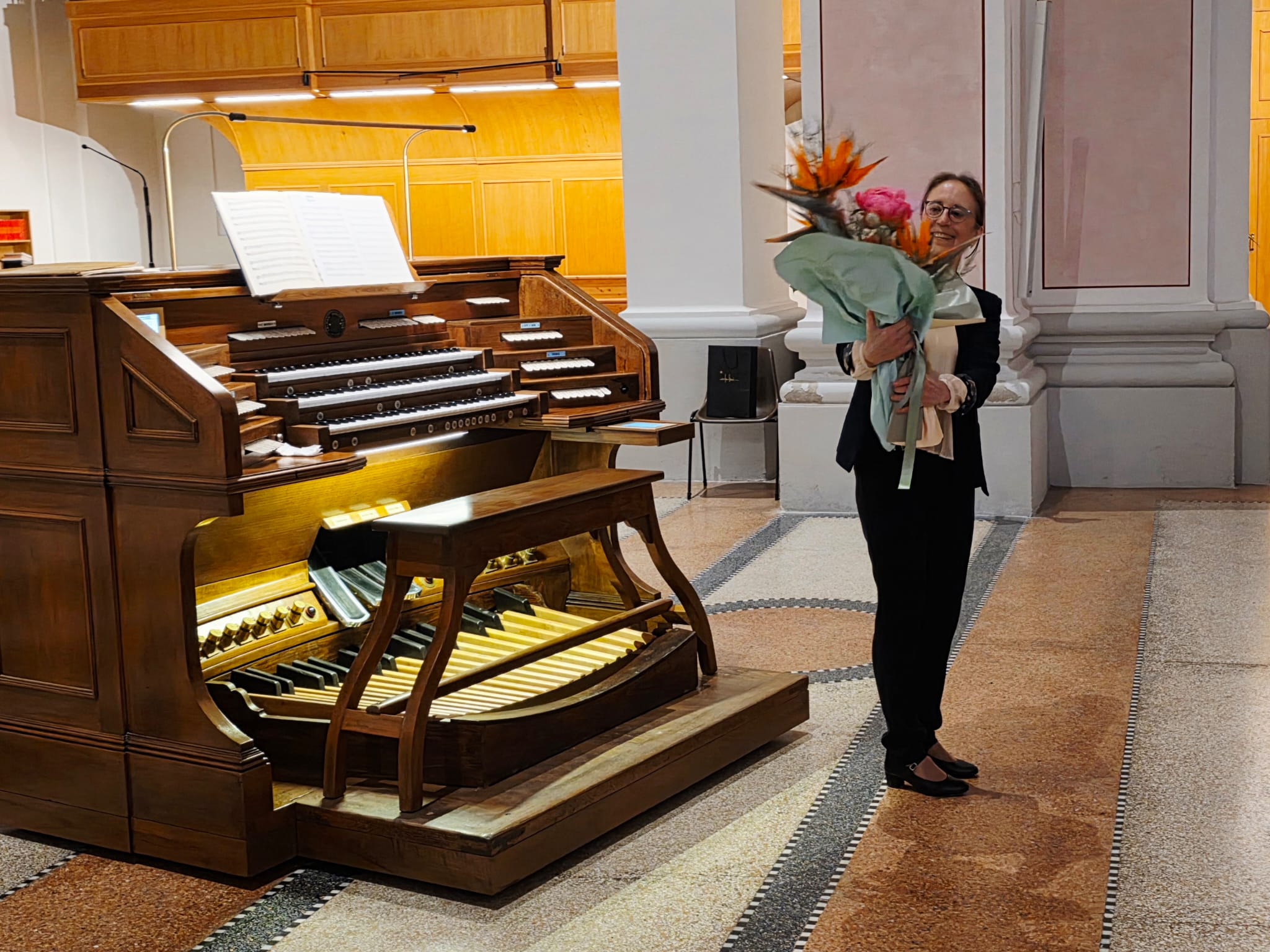
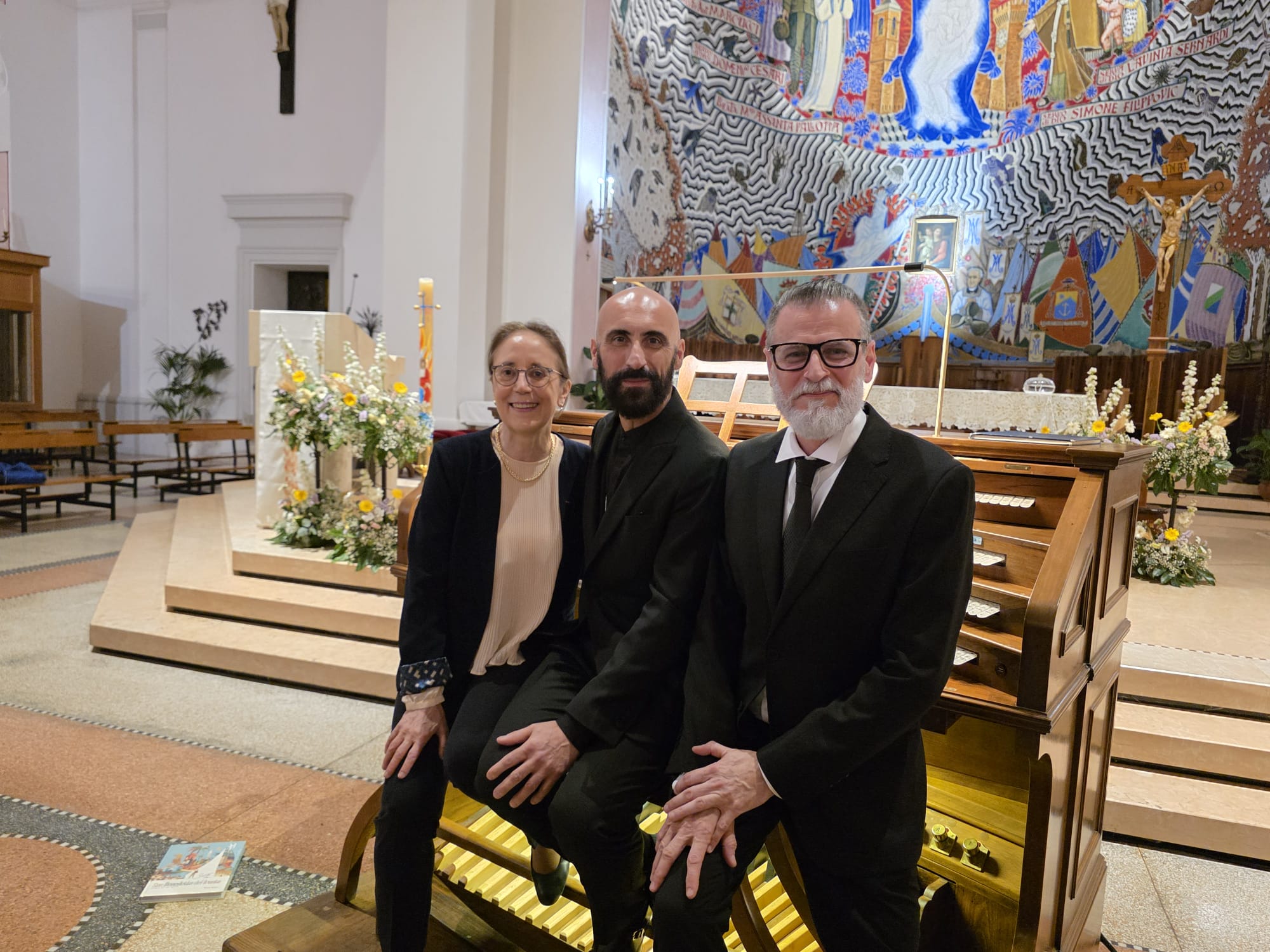
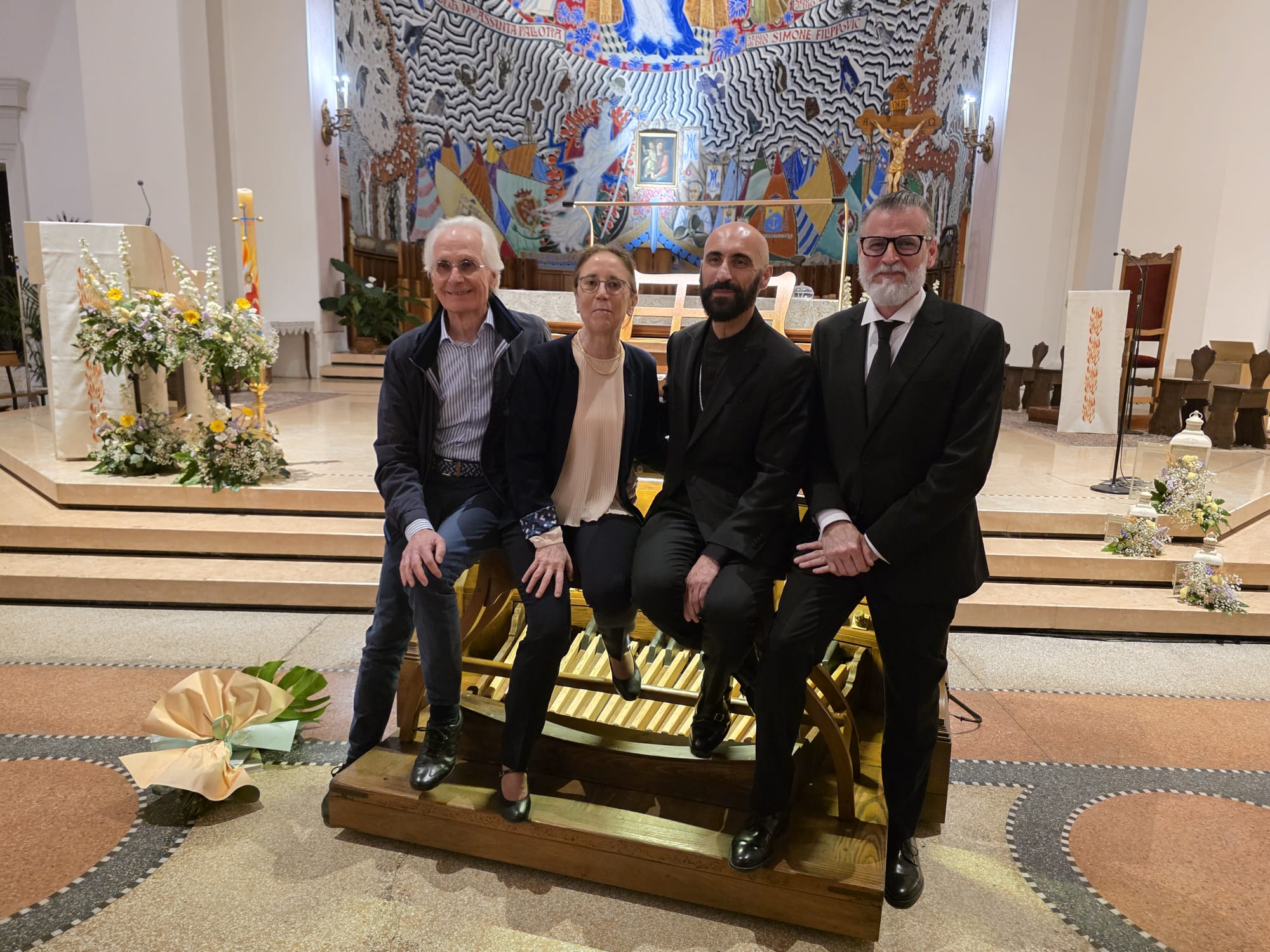
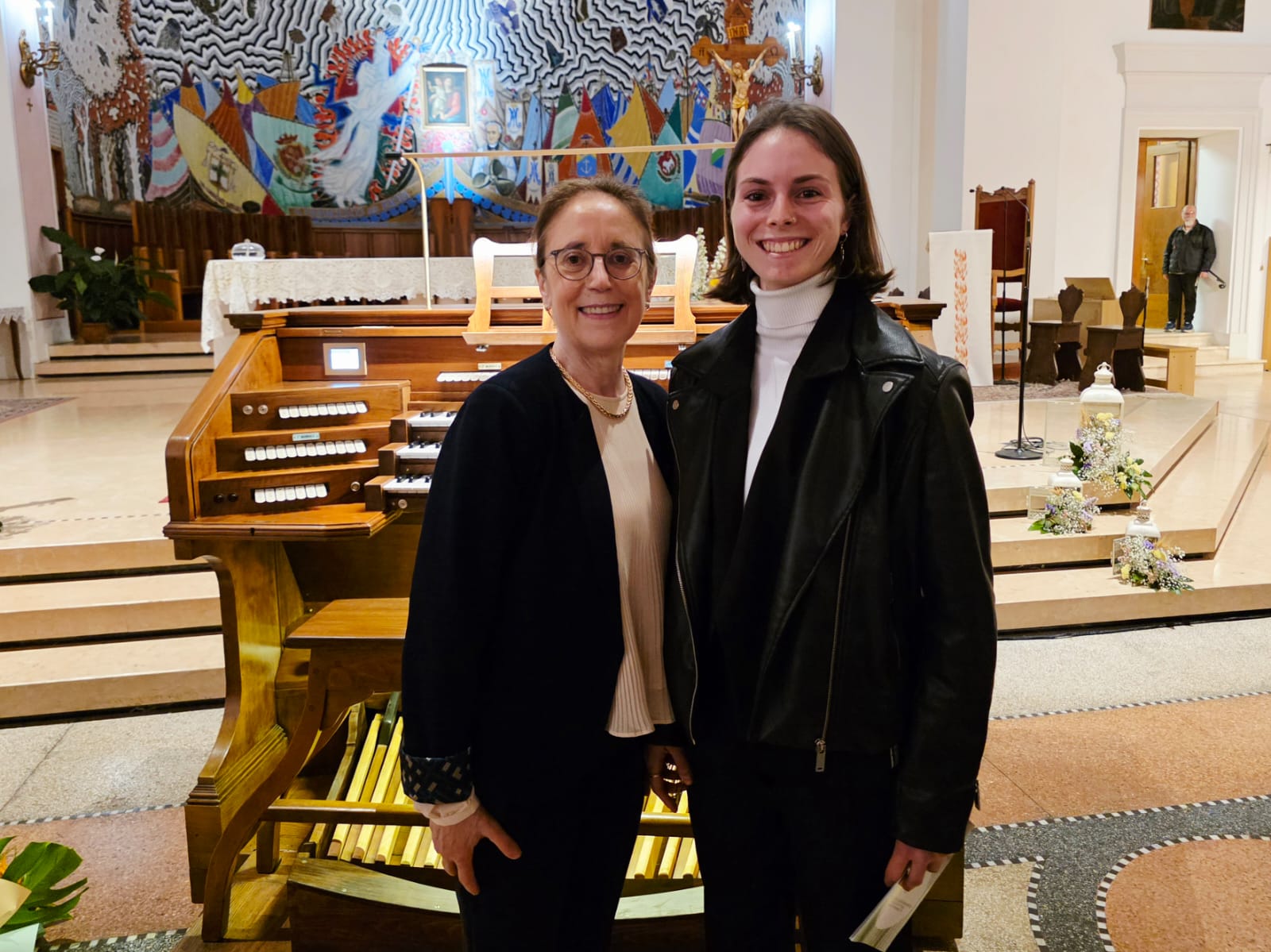
A far risuonare nell’aria le prime note è stata la Maestra Sophie-Véronique Chauchefer-Choplin, la celebre organista francese che dal 2023 ricopre il ruolo di co-titolare dell’organo della église Saint-Sulpice (chiesa di San Sulpizio) a Parigi.
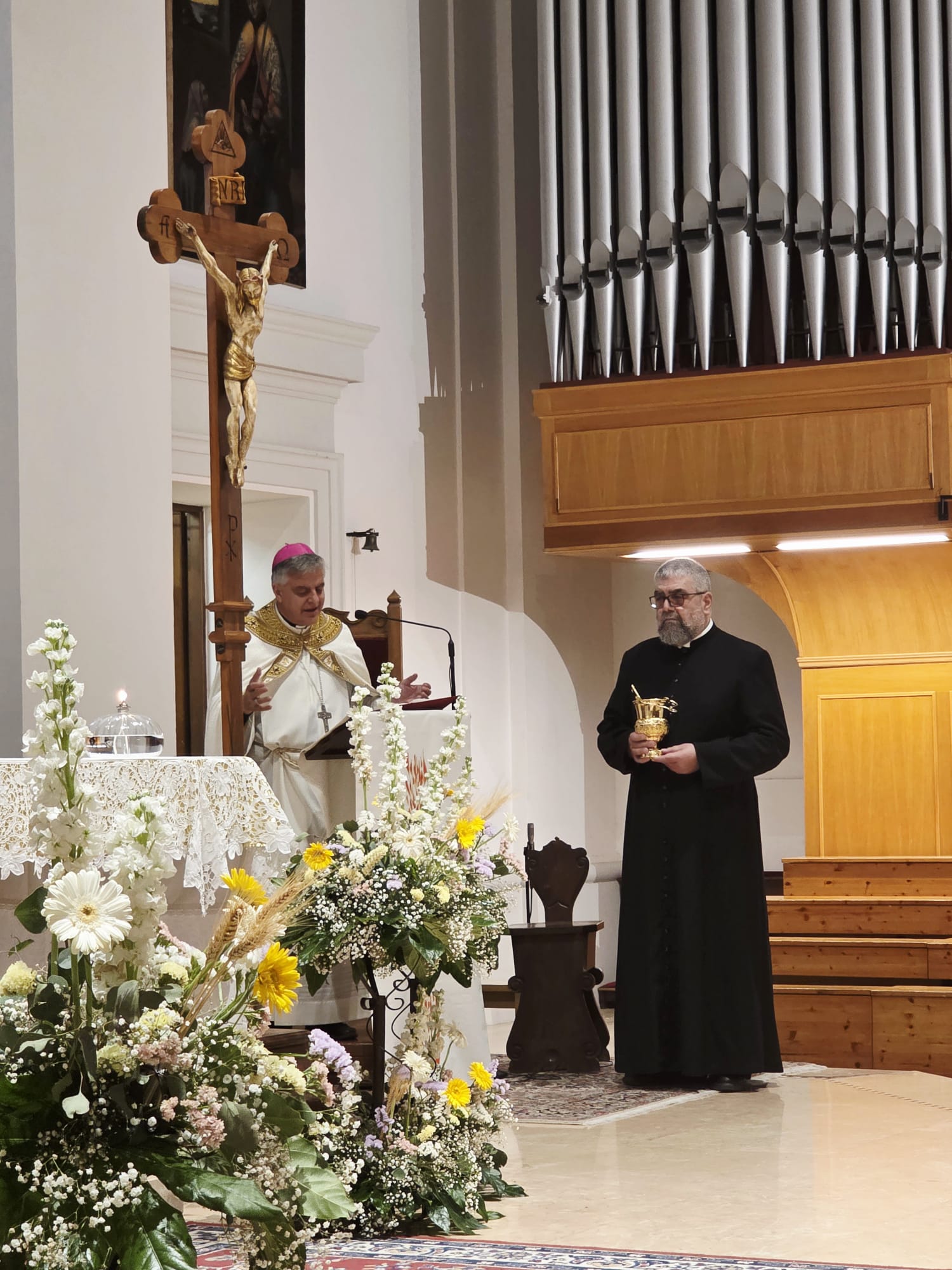
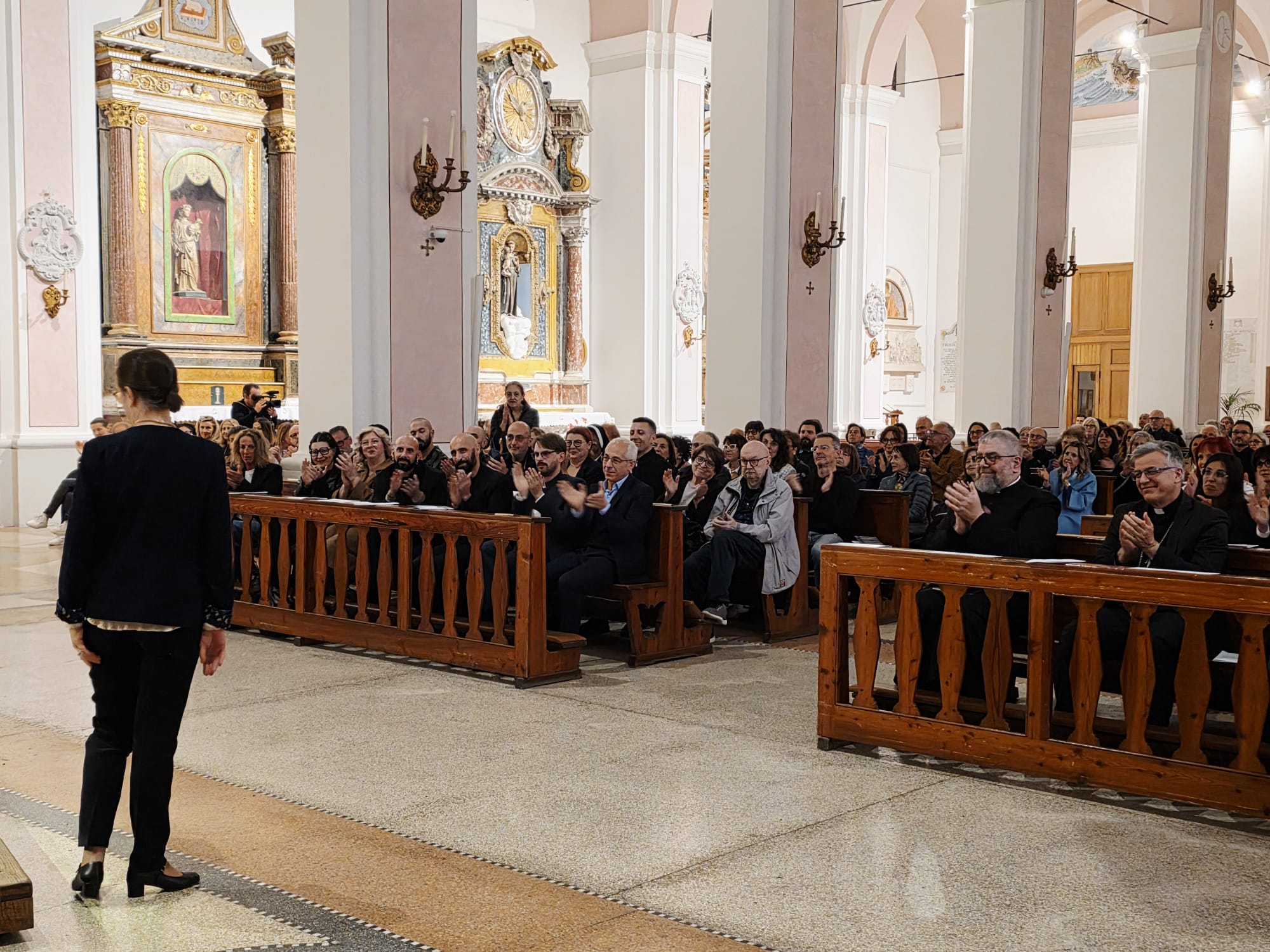
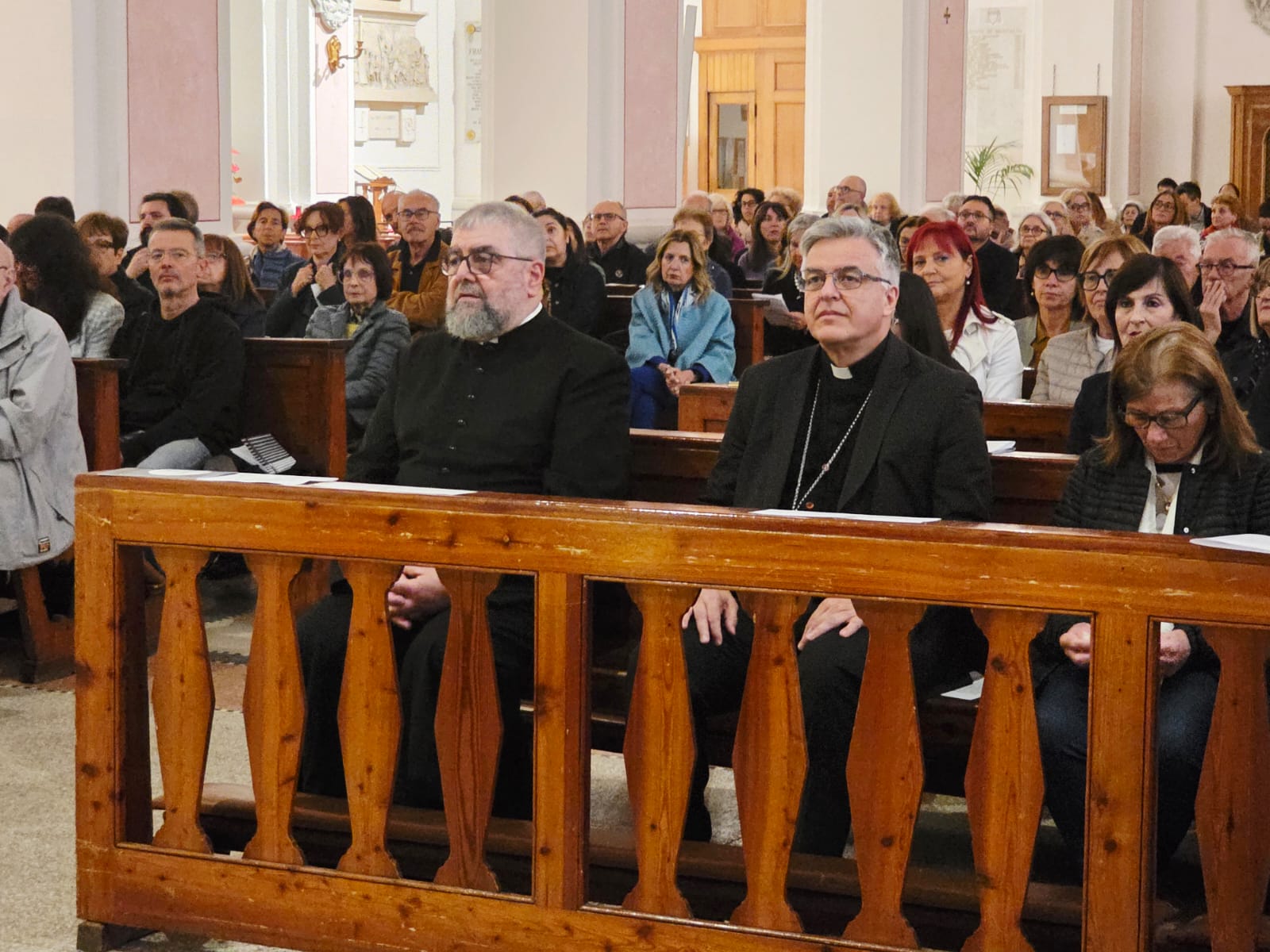
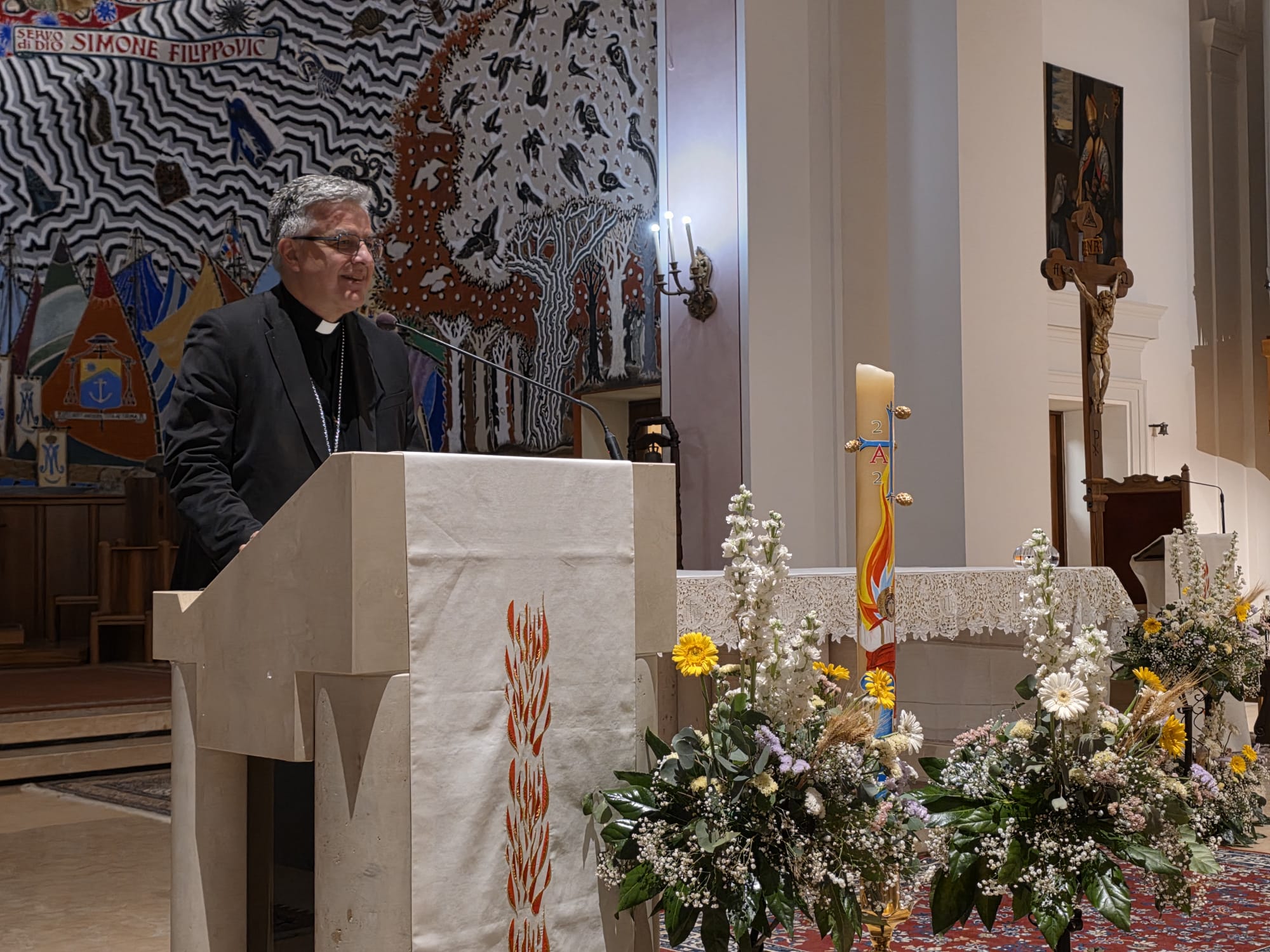
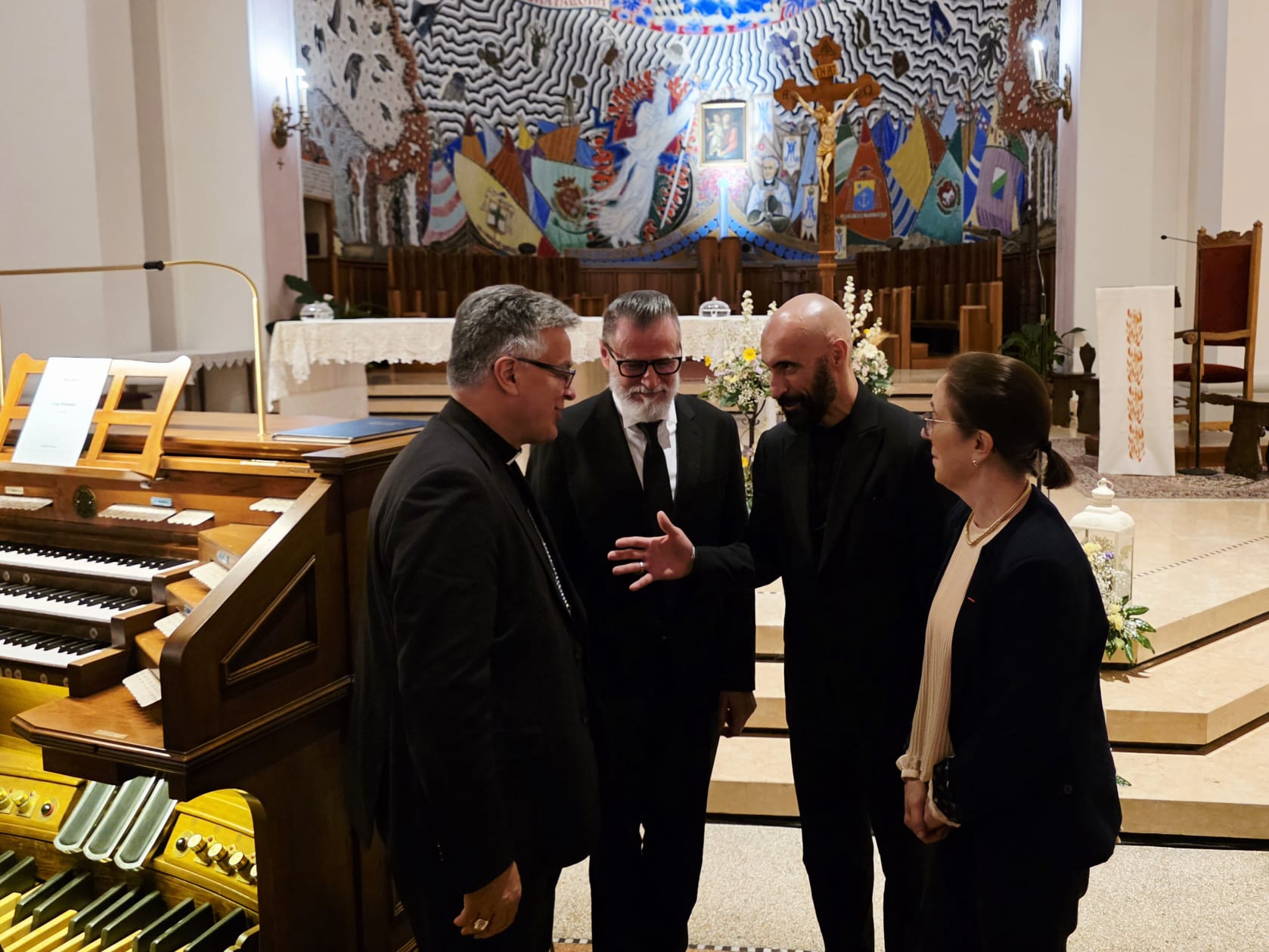
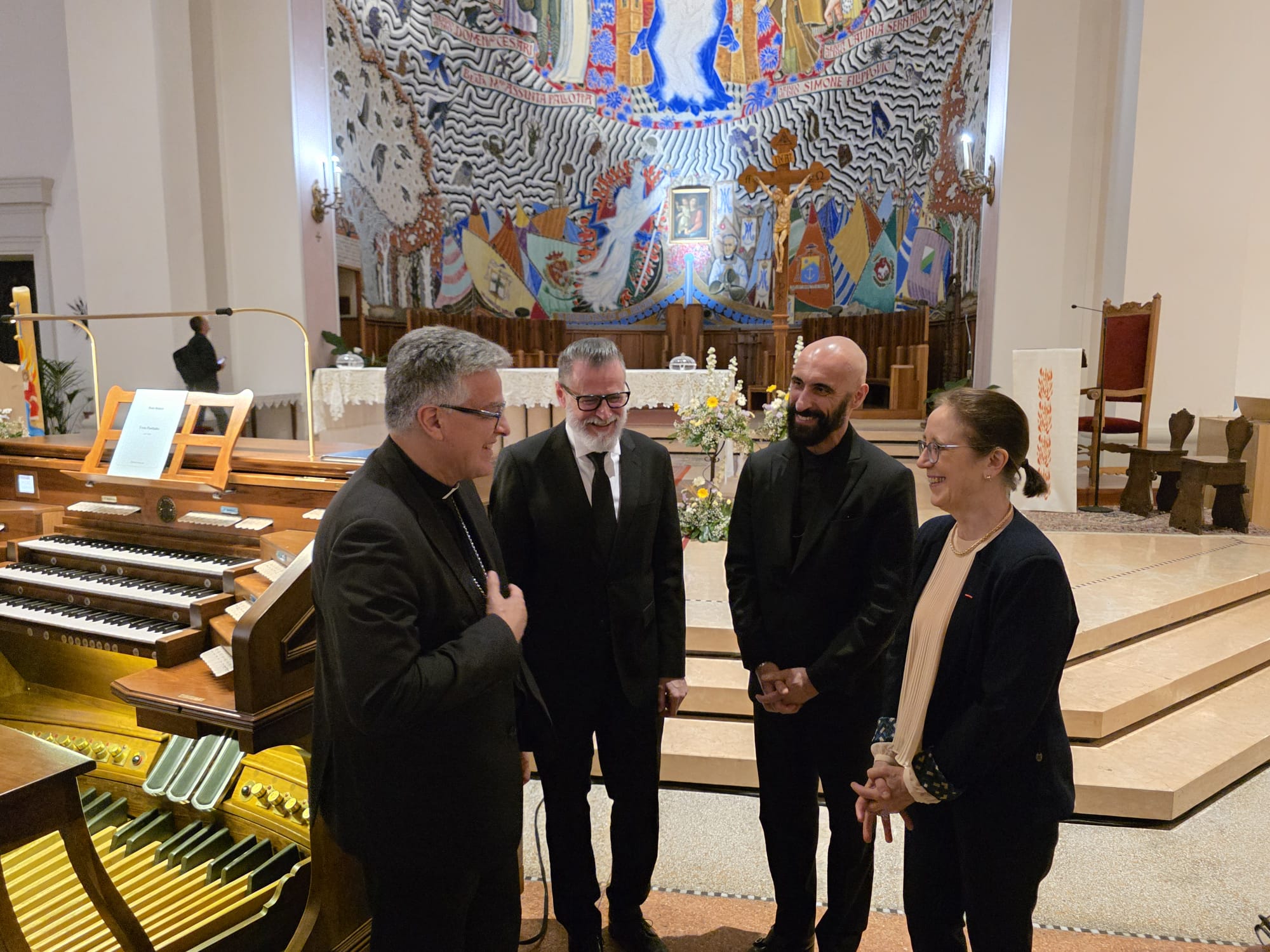
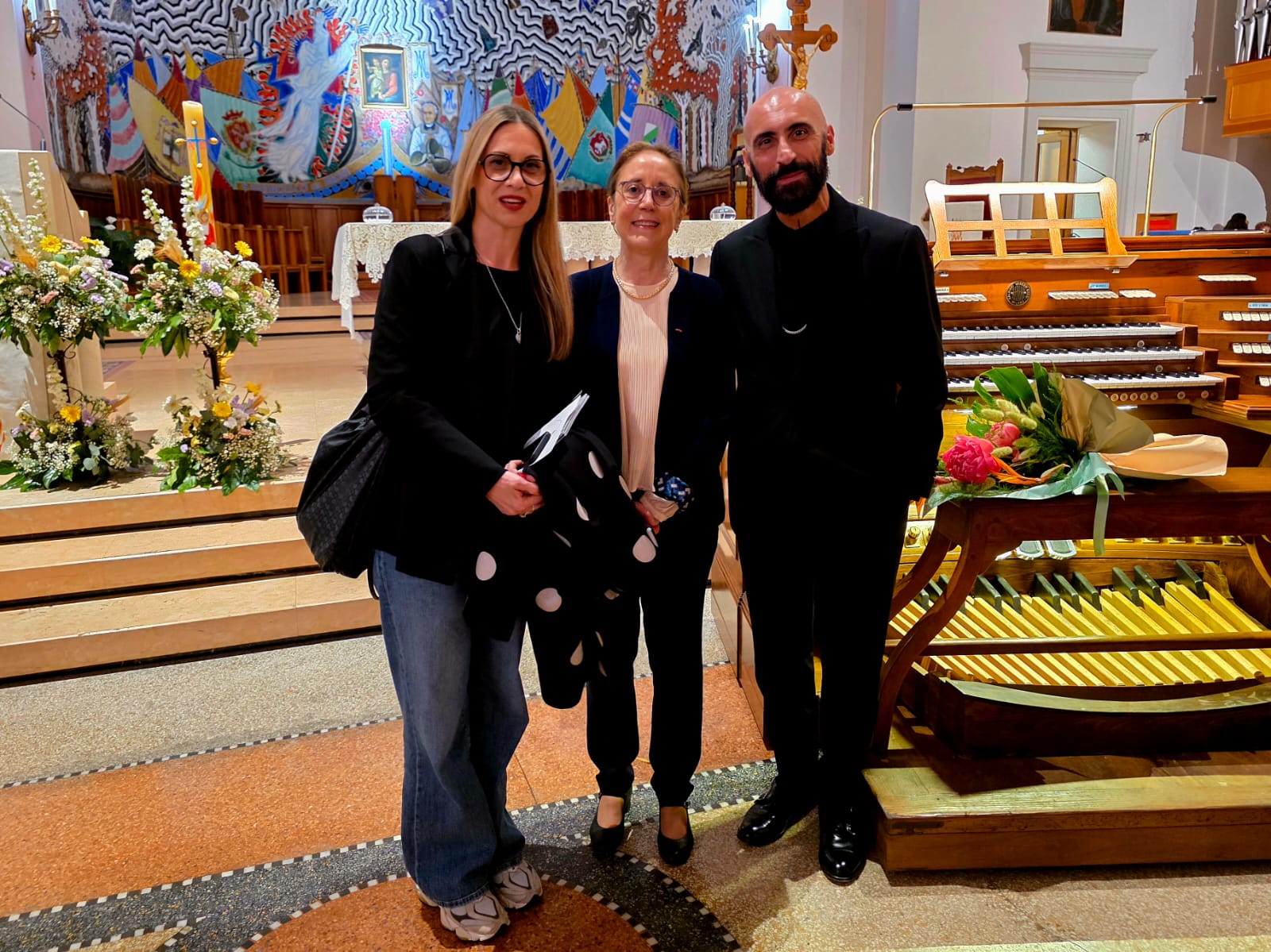
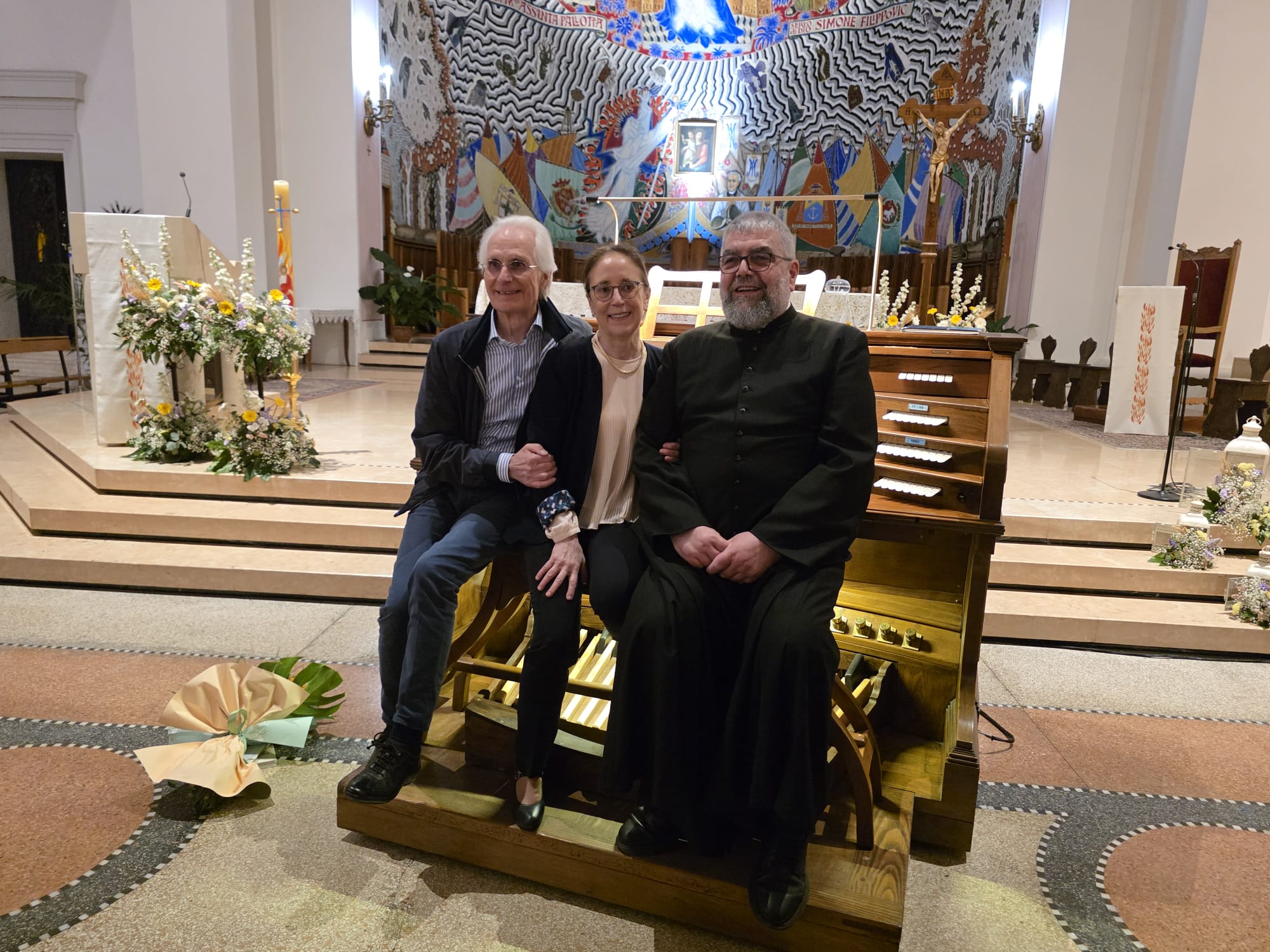
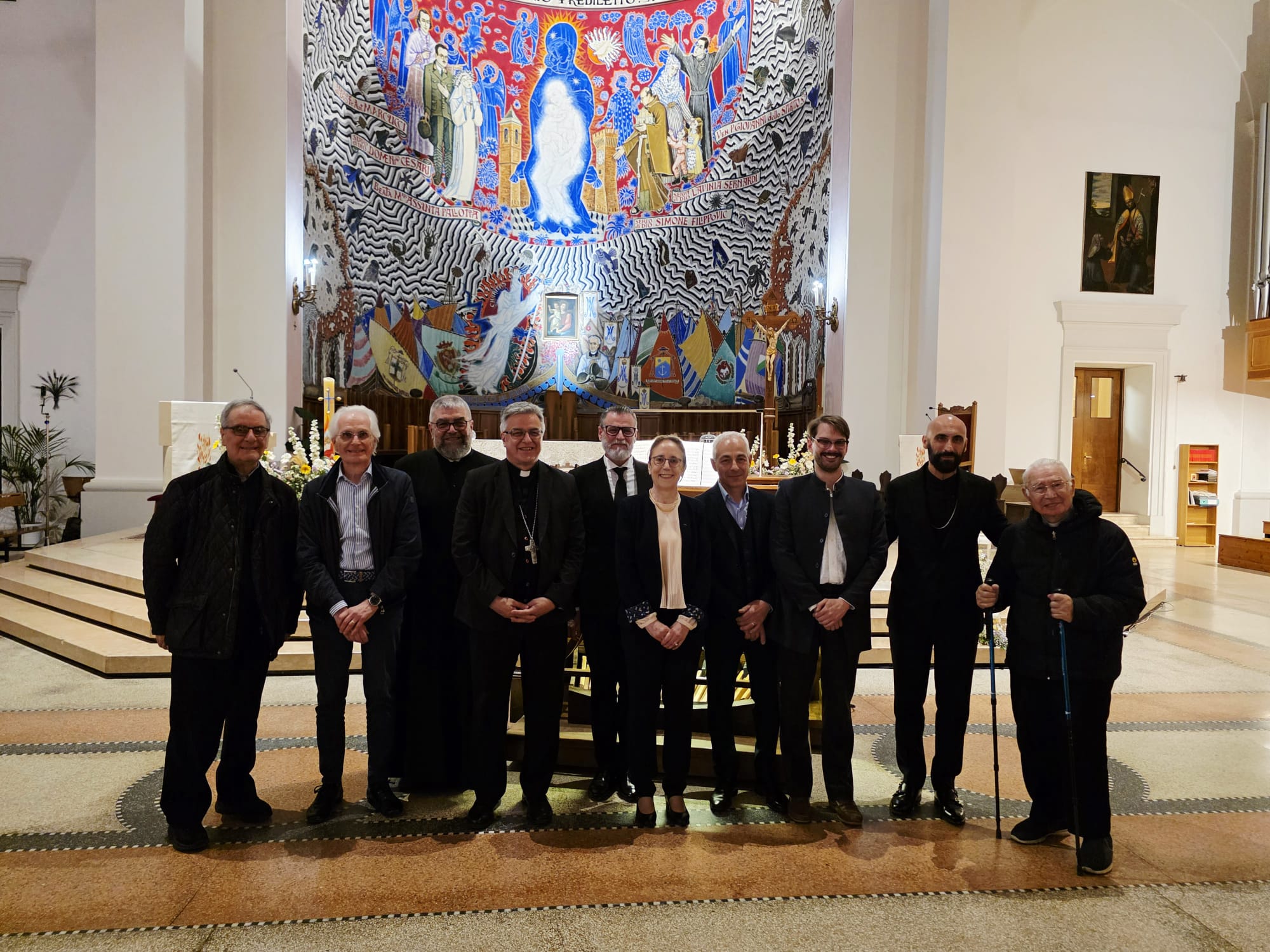
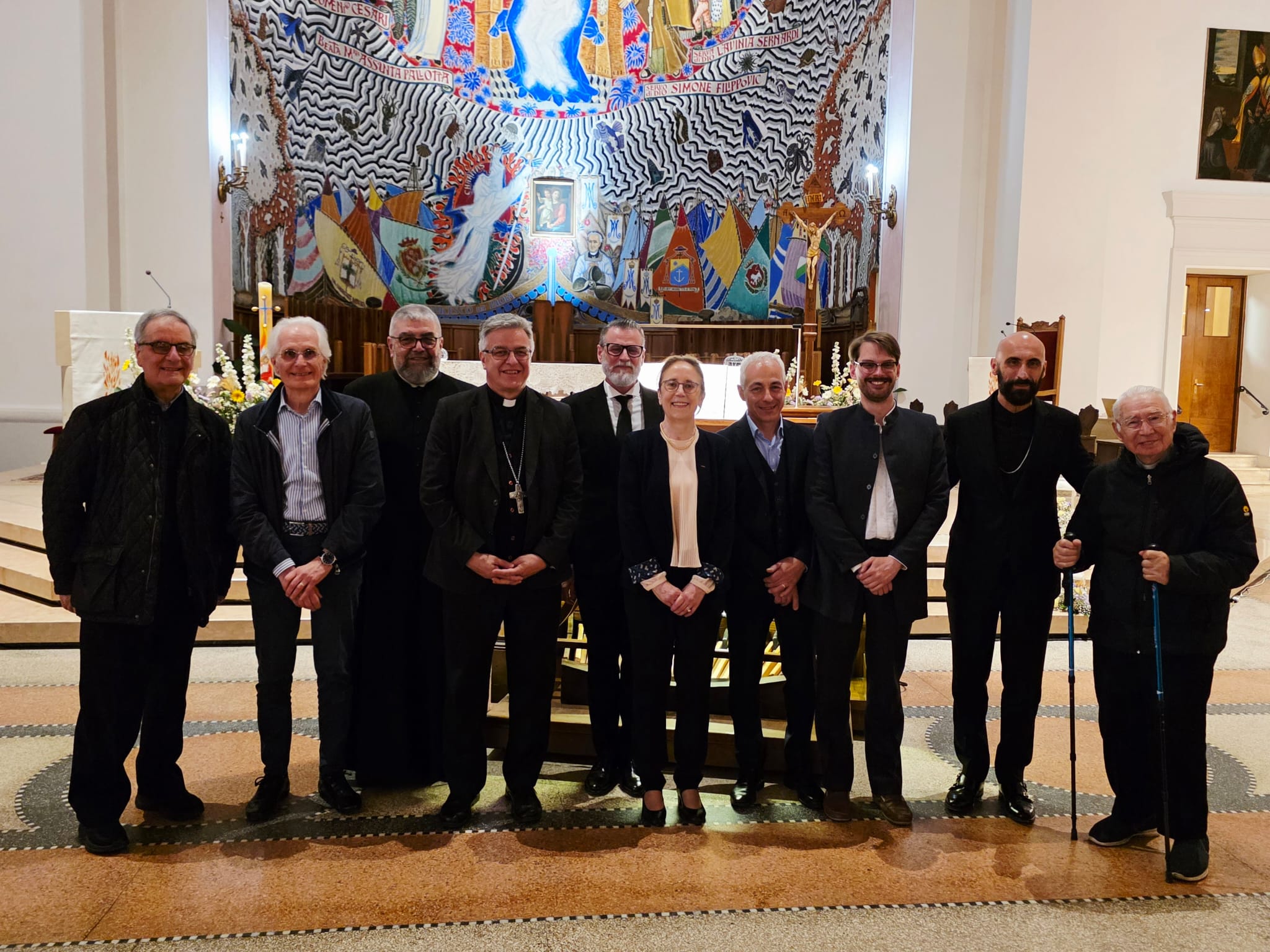
Presenti per l’occasione mons. Gianpiero Palmieri, vescovo delle Diocesi del Piceno, don Luigino Scarponi, responsabile del Clero Piceno, don Patrizio Spina, parroco della comunità, don Luciano Paci e don Romualdo Scarponi, parroci emeriti.
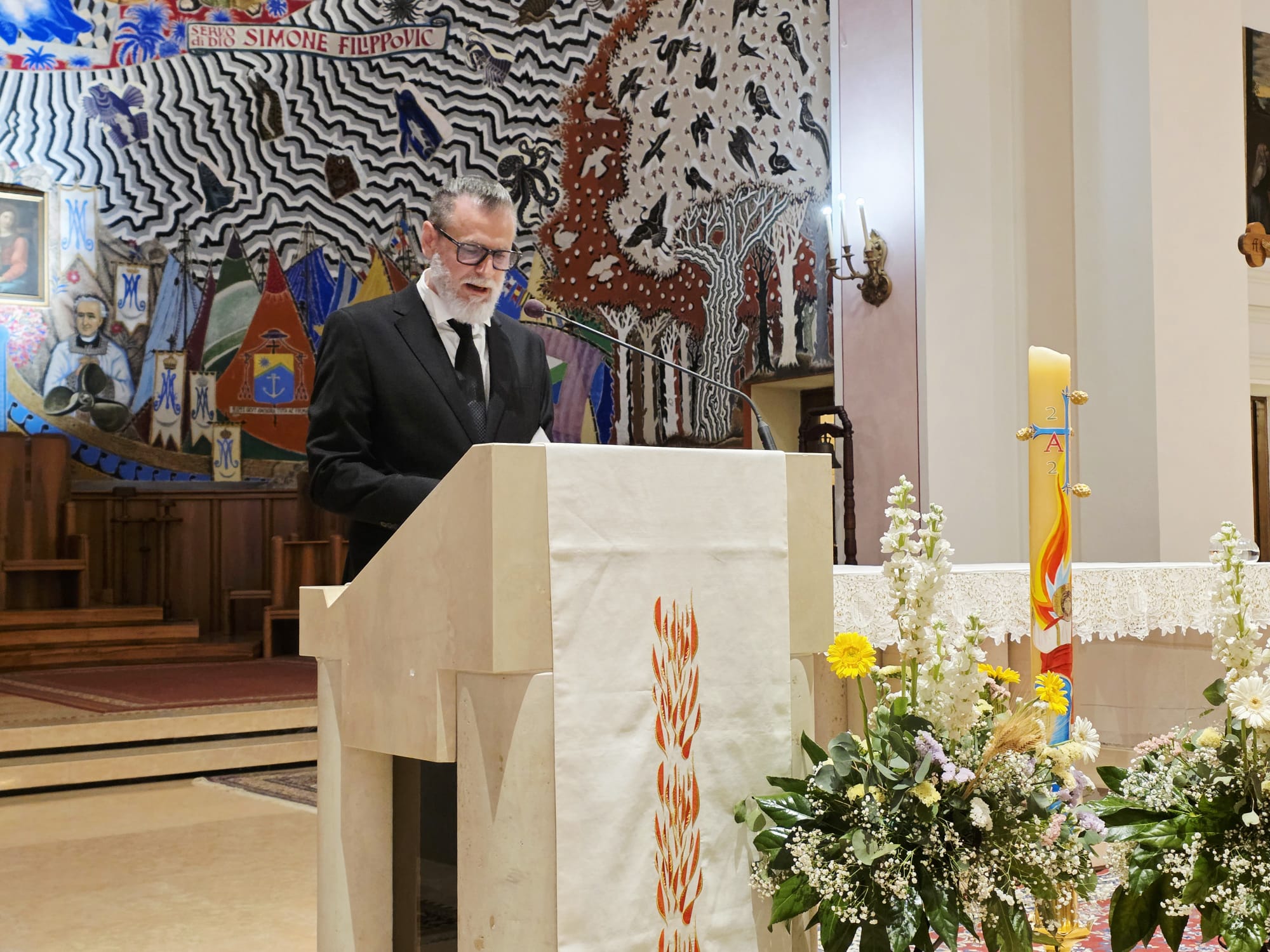
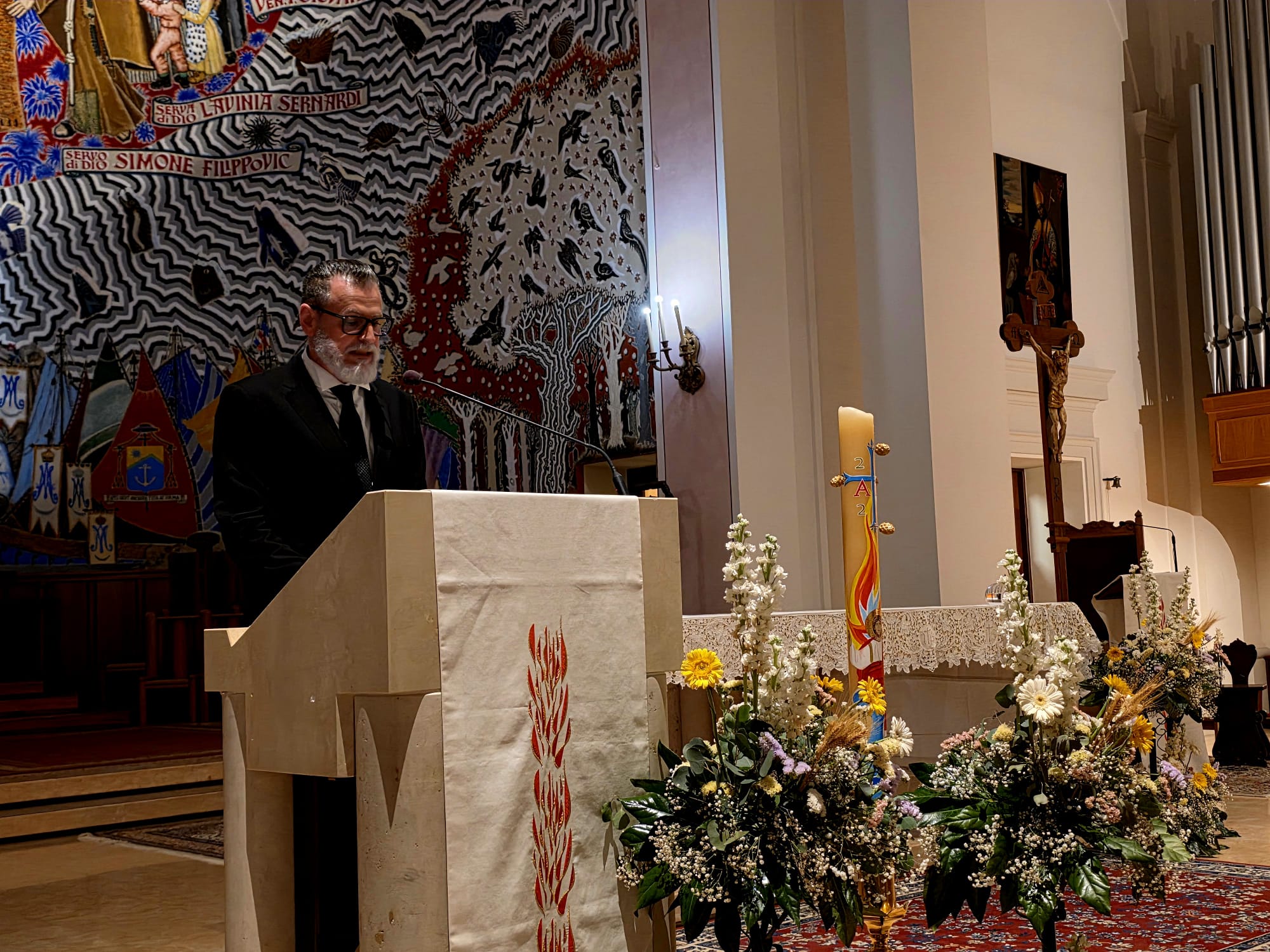
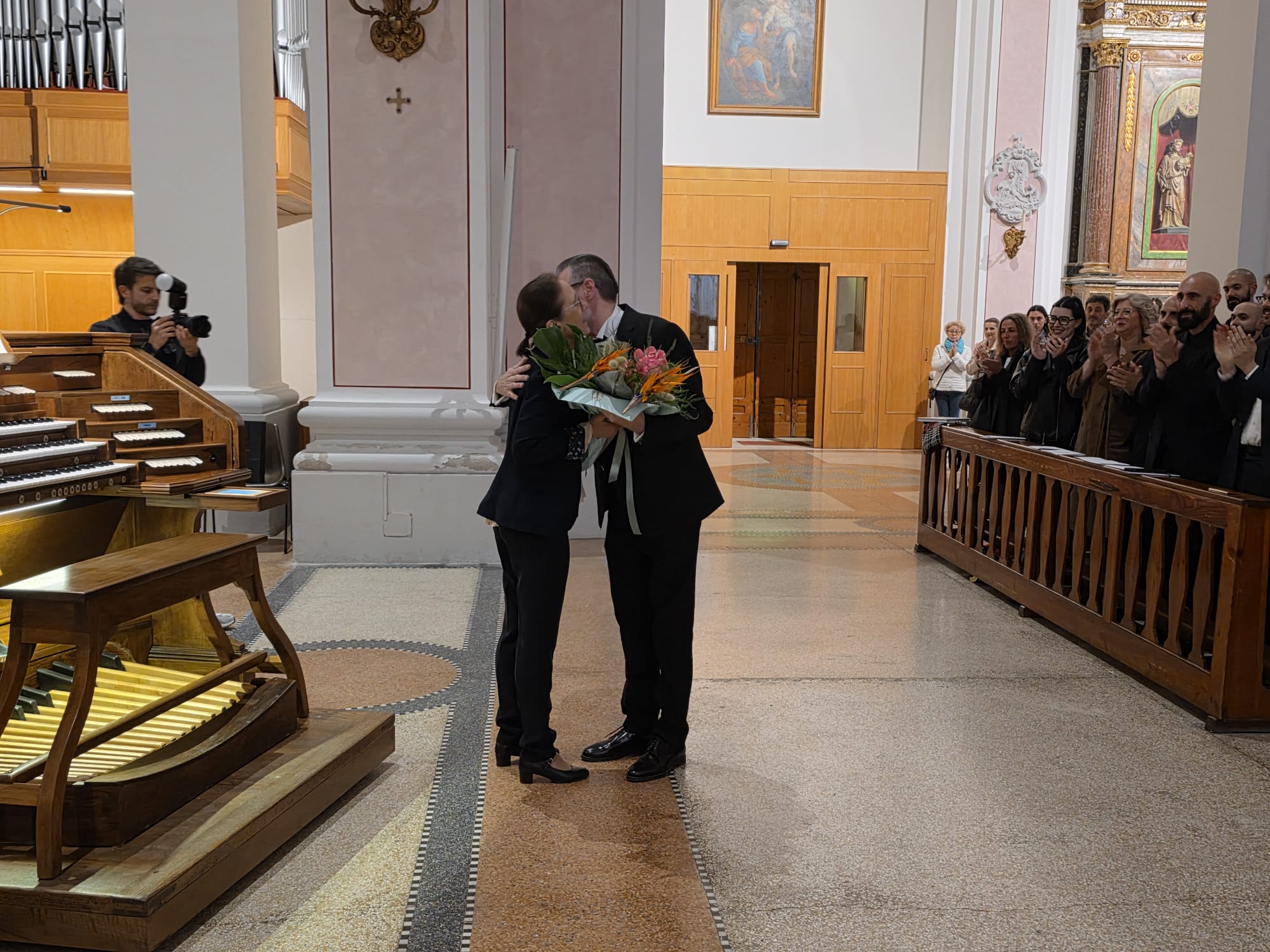
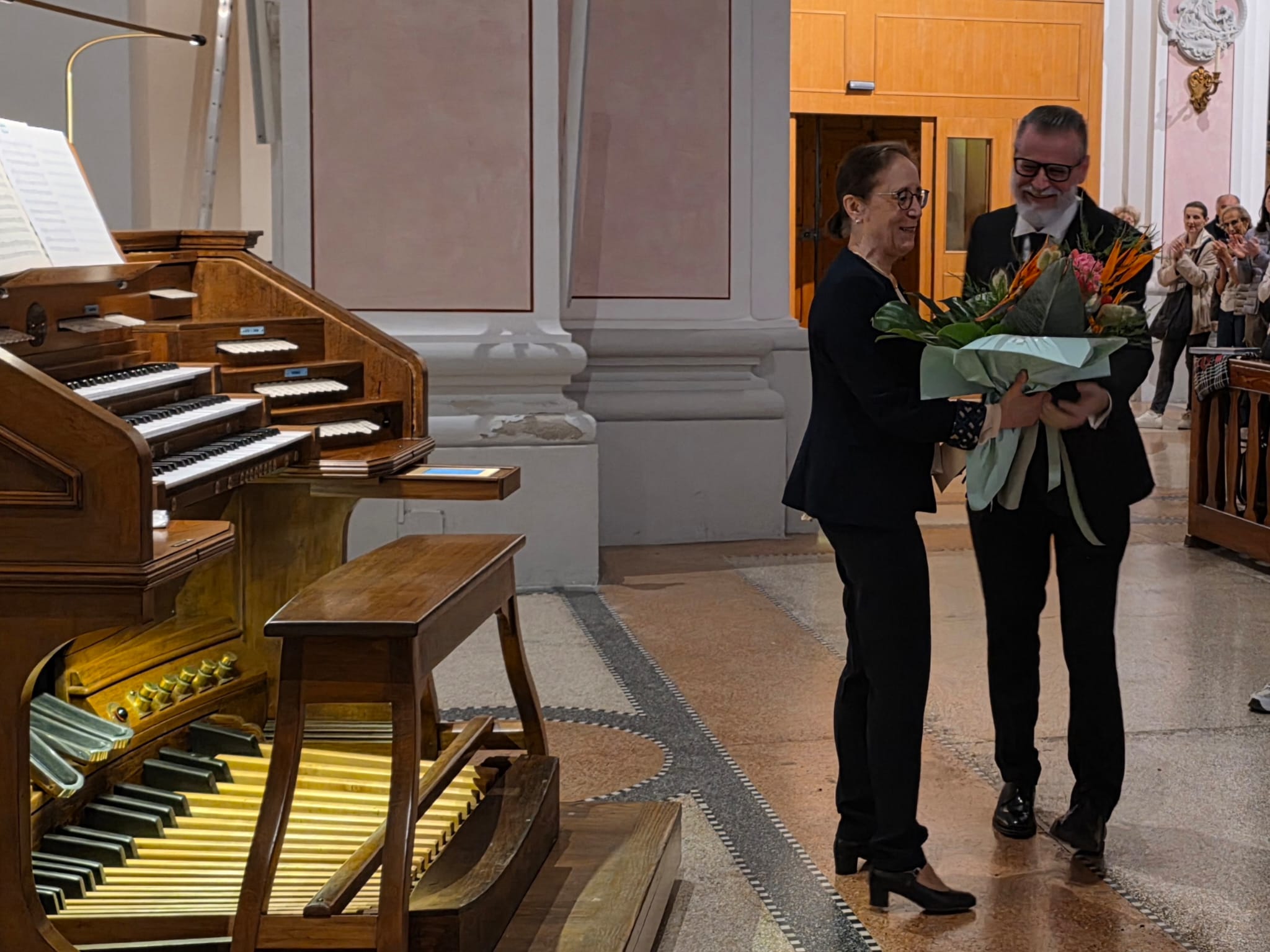
Presenti anche Massimo Malavolta, Maestro della Cappella Musicale della Cattedrale e supervisore dei lavori di restauro, e il noto organista italiano Filippo Sorcinelli, che sarà protagonista, insieme a Stefano Pellini, del concerto che si terrà il prossimo 13 Giugno.
La magia del concerto inaugurale
La Mª Sophie-Véronique Chauchefer-Choplin ha incantato il numeroso pubblico presente. Il programma, attentamente studiato per valorizzare le rinnovate potenzialità timbriche dell’organo, ha offerto un viaggio musicale di grande fascino: da Léon Boëllmann e Franz Liszt a Charles-Marie Widor e Albert Renaud, fino al contemporaneo Denis Bédard. una sessione finale di improvvisazione.
Come dichiarato dall’artista stessa ai nostri microfoni, “il repertorio è stato scelto per esaltare la rinnovata tavolozza timbrica dell’organo, ma soprattutto per accompagnare il clima di gioia del momento. Il pubblico era qui per l’inaugurazione di questo meraviglioso organo, quindi ho voluto evitare brani che evocassero tristezza o nostalgia. Mi pare che i presenti abbiano apprezzato!”.
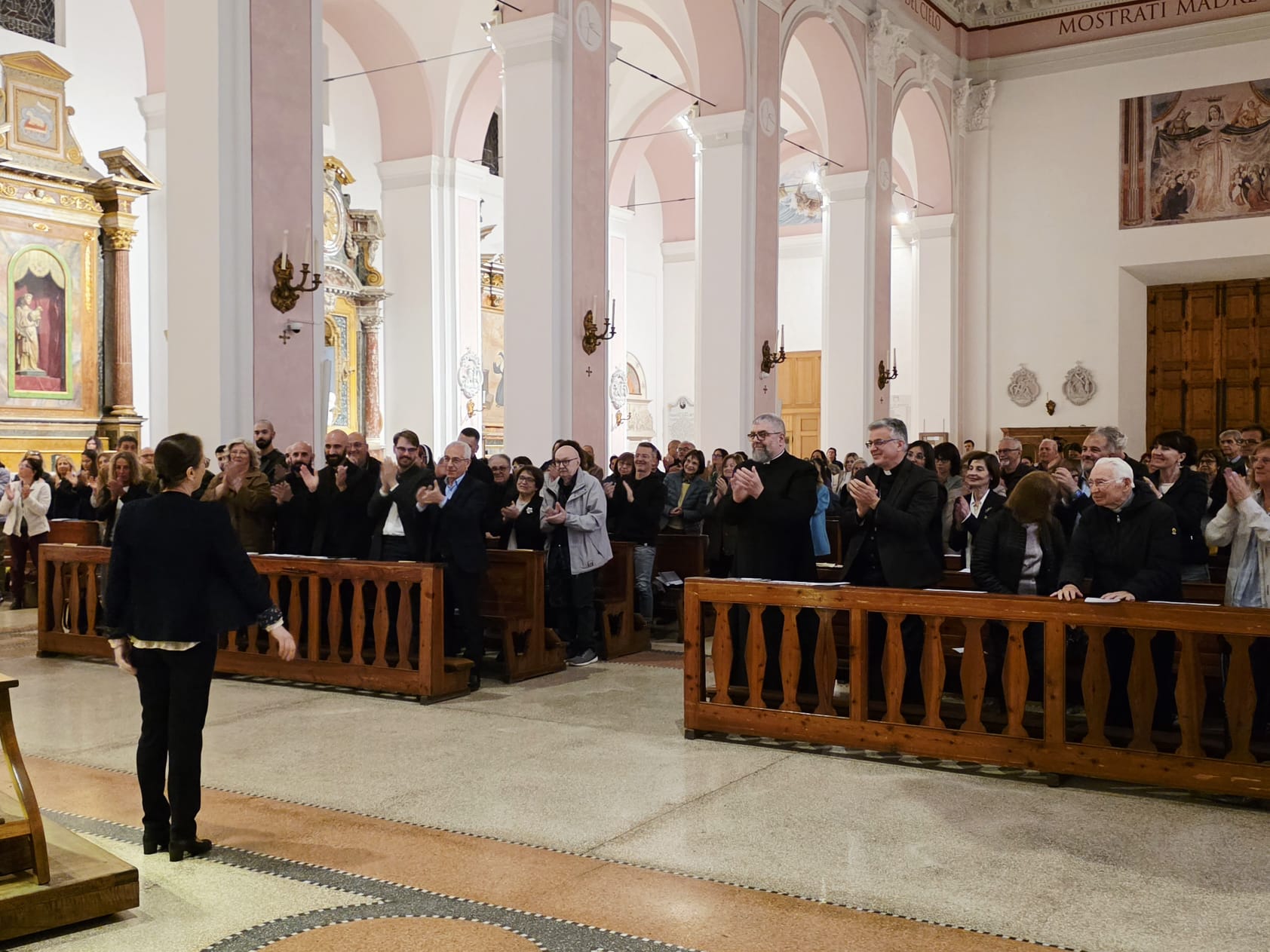
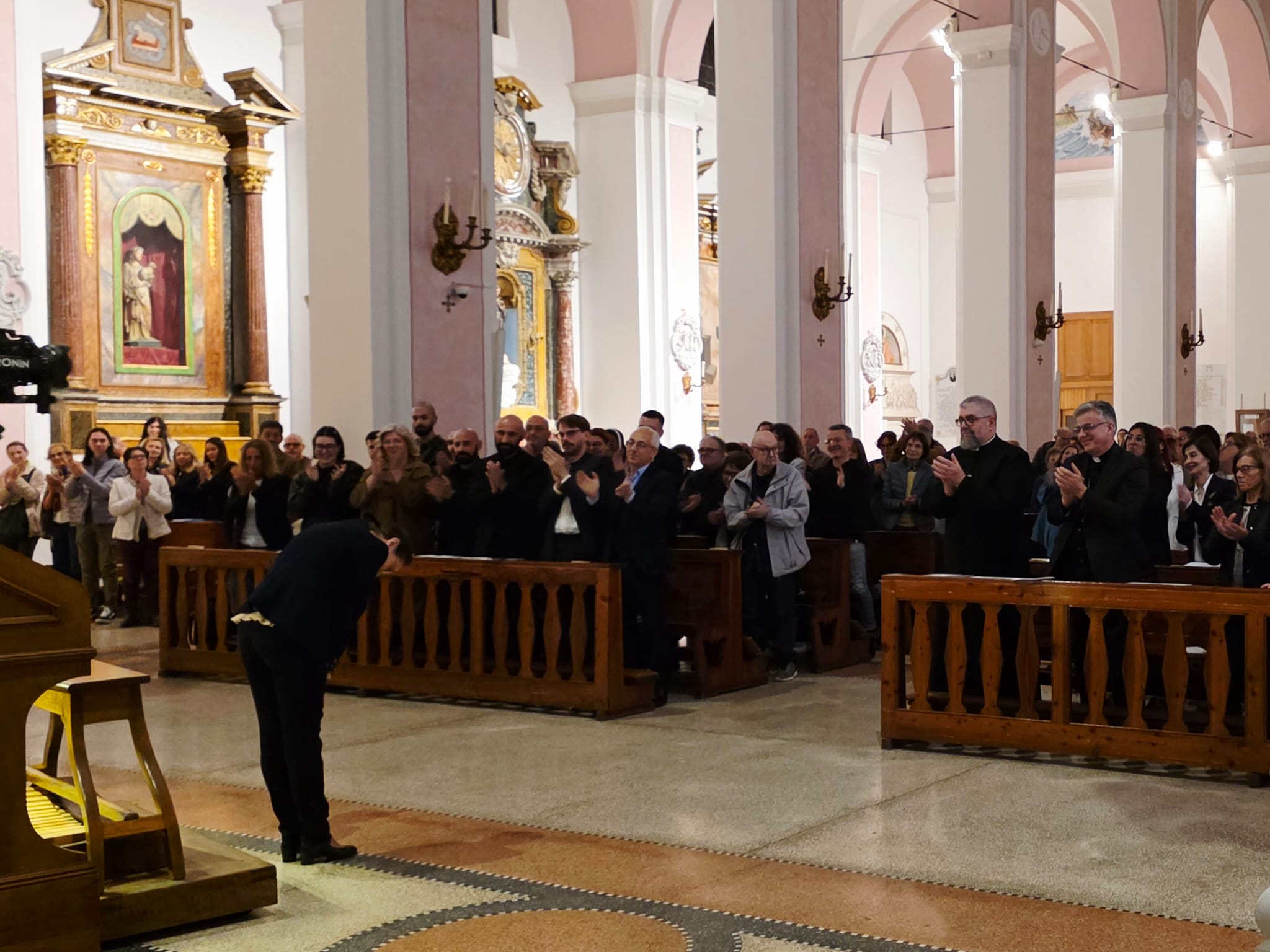
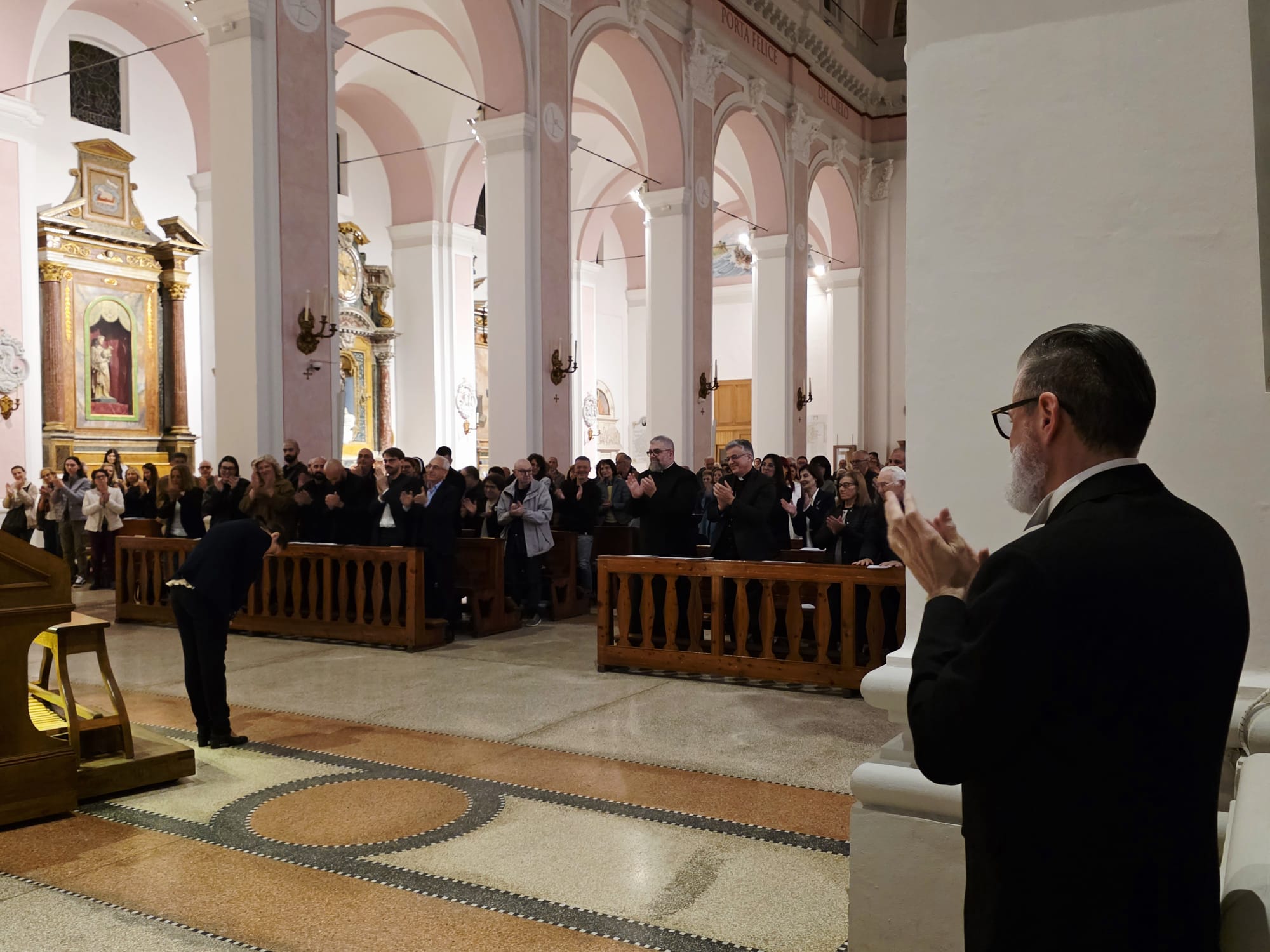
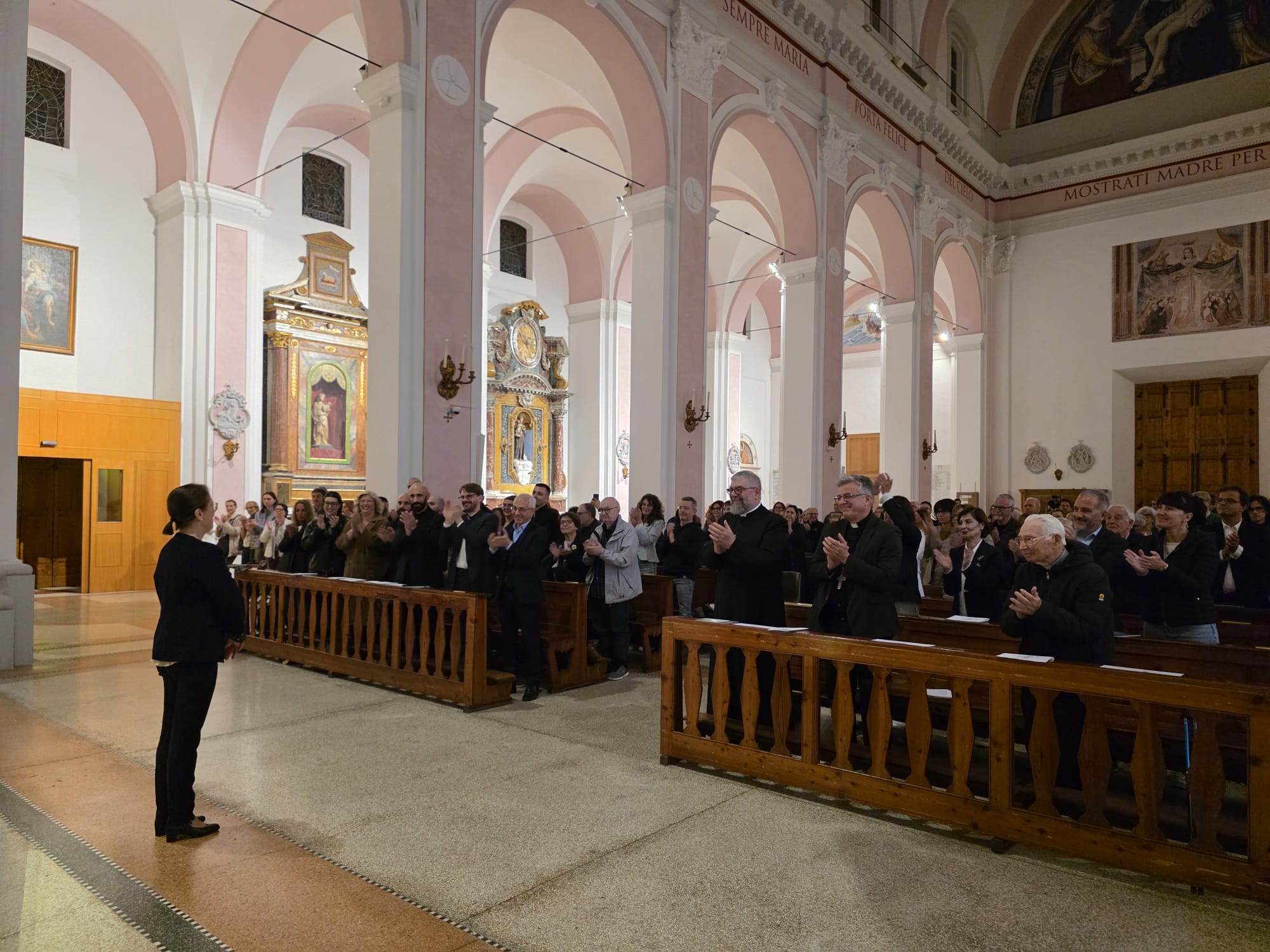
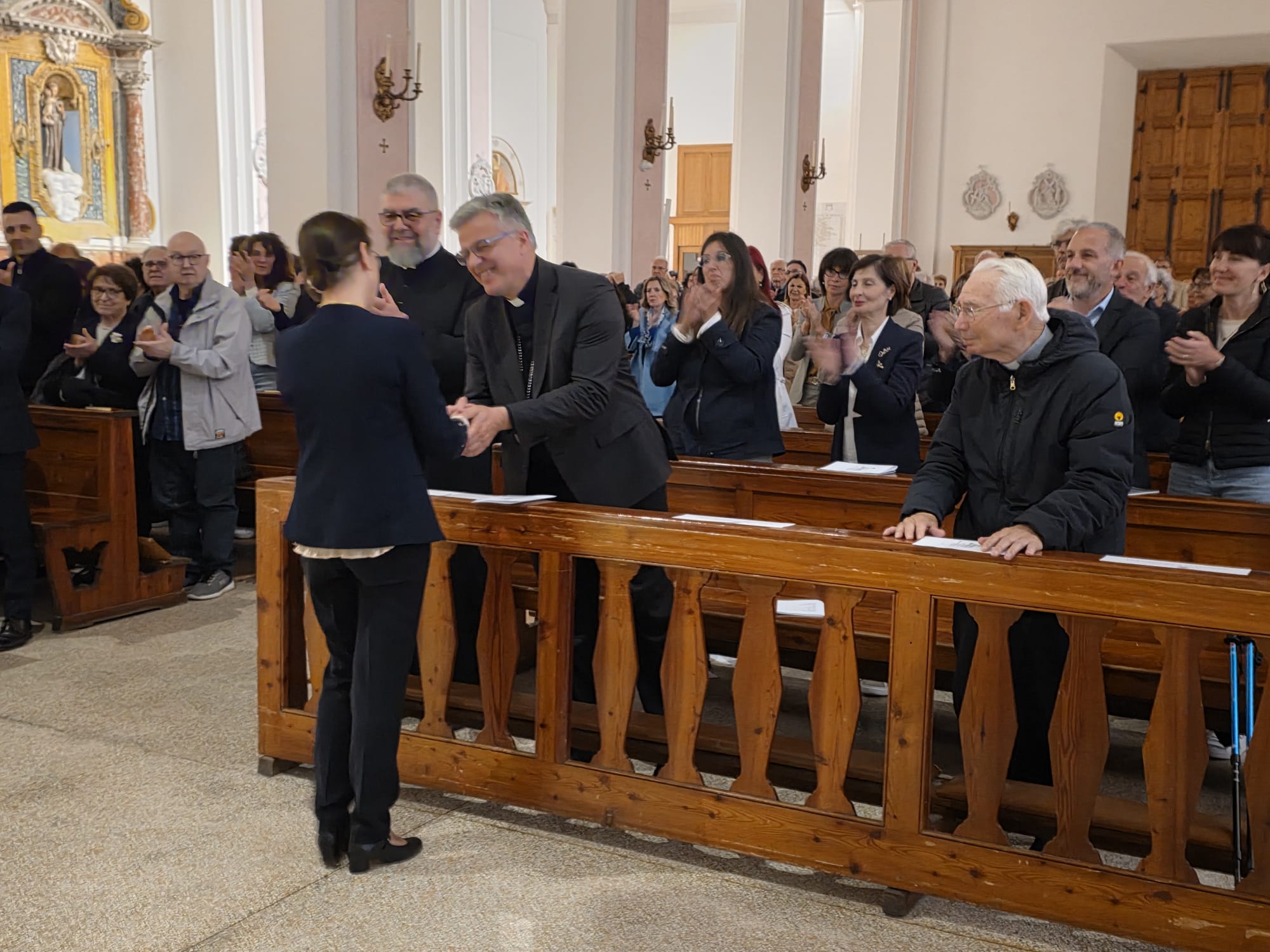
Gli applausi scroscianti e prolungati del pubblico al termine di ogni esecuzione, infatti, sono culminati nella standing ovation, che è seguita alla sessione finale di improvvisazione e che ha testimoniato non solo l’apprezzamento per l’esecuzione virtuosistica, ma anche la profonda gioia collettiva per aver ritrovato una parte fondamentale del patrimonio culturale locale.
“Sono veramente grata al pubblico italiano – ha dichiarato la Mª Sophie-Véronique Chauchefer-Choplin -. Di recente sono stata a Milano e due settimane fa a Pisa e devo dire che, in ogni circostanza, come anche qui a San Benedetto del Tronto, ho ricevuto un grande calore da parte di tutti: è un piacere venire a suonare in Italia!”
“In questo caso poi c’è stata questa bellissima esperienza con il vostro Grande Organo – ha concluso la Maestra francese -. Per me lo strumento è come una persona: è necessario trovare una connessione per potersi esprimere al meglio. Sebbene abbia avuto un solo giorno a disposizione per provarlo, devo dire che siamo entrati subito in sintonia ed è stata un’esperienza meravigliosa poterlo suonare!”.
Il lungo cammino del restauro
Costruito nel 1951 dalla storica Pontificia Fabbrica d’Organi Balbiani-Vegezzi-Bossi, il monumentale strumento, custode silenzioso di secoli di storia e fede, è il secondo organo più grande delle Marche, nonché uno degli strumenti sinfonici più significativi presenti sul territorio nazionale per la quantità e la varietà dei suoi registri.
Il maestoso strumento, infatti, conserva anche 4 registri provenienti da un organo di Gaetano Callido, il veneziano del XVIII secolo, e 20 registri appartenenti a un organo costruito nel 1902 da Bossi a Torino. Tra questi anche la rarissima Arpa Celeste, una delle voci più suggestive dell’organaria sinfonica.
Se da un lato la complessità dei suoi meccanismi, governati da 3600 canne, ha determinato il valore e la pregiatezza del nostro organo, dall’altro ha reso il suo percorso di recupero particolarmente lungo ed articolato: iniziato mesi fa con studi approfonditi ed analisi diagnostiche per comprendere appieno lo stato di degrado e gli interventi da eseguire, il restauro è stato reso possibile grazie alla consulenza del M° Stefano Pellini e del M° Filippo Sorcinelli.
Il recupero dell’opera, affidato alla sapiente maestria dei Maestri artigiani della ditta Pietro Corna Organi di Leffe (BS), non è stato un semplice lavoro di manutenzione, ma un vero e proprio recupero filologico. Smontato in ogni sua singola componente, l’organo è stato ripulito dal logorio del tempo e dai depositi di polvere che ne soffocavano le armonie. Sono stati interamente revisionati i mantici e la complessa meccanica a trasmissione per garantire fluidità e precisione al tocco dell’artista. Particolare attenzione è stata data alla reintegrazione di parti mancanti, al consolidamento delle strutture metalliche e alla pulitura delle finiture lignee, lavori che hanno riportato alla luce anche la brillantezza originaria dello strumento, oltre che la sua integrità e sonorità.
Un dono della comunità per la comunità
Il restauro è stato reso possibile grazie al contributo della CEI (Conferenza Episcopale Italiana), del vescovo emerito Carlo Bresciani, del parroco don Patrizio Spina e di don Gian Paolo Civardi, a cui va il merito di aver legato la storia del Grande Organo a quella della Diocesi di San Benedetto del Tronto – Ripatransone – Montalto. In origine progettato per il Santuario della Santa Casa di Loreto, quando fu dismesso, grazie all’interessamento del presbitero, giunse in cattedrale ed iniziò ad allietare i fedeli della Diocesi Truentina, iniziando una storia di musica e d’amore che ancora continua.
Ma, oltre a loro, hanno contribuito a finanziare il restauro anche molti benefattori del territorio. Un gesto di grande generosità che scalda il cuore e dimostra quanto l’attenzione al patrimonio artistico locale possa fare la differenza e lasciare un segno per l’intera comunità. Tra questi la Banca del Piceno, le ditte “Alter Duo” e Fainplast“, e il Maestro Filippo Sorcinelli, ma anche numerosi privati cittadini, grazie ai quali questo storico strumento torna ora a essere un solenne accompagnamento per le Liturgie, oltre che un eccezionale polo di attrazione culturale.
L’auspicio è che questo concerto inaugurale sia solo il primo di una lunga serie di appuntamenti musicali, rendendo nuovamente lo spazio sacro un punto di riferimento per organisti ed appassionati di musica classica. Due gli appuntamenti già programmati:
- 13 Giugno 2026, ore 21.15: Stefano Pellini e Filippo Sorcinelli (Italia);
- 10 Luglio 2026 ore 21.15: Konstantin Reymeier (Vienna).
La parole del vescovo Gianpiero Palmieri
Al termine del concerto, il vescovo Gianpiero Palmieri, commentando uno dei brani eseguiti dalla Mª Sophie-Véronique Chauchefer-Choplin, il noto inno “Guarda questa offerta“, ha detto:
“Quando noi facciamo questo canto, esprimiamo la nostra gratitudine a Dio. Le infinite variazioni che Sophie ci ha fatto ascoltare con le sue note, rappresentano tutta la straordinaria ricchezza della nostra vita. In questo luogo, anche attraverso l’organo, noi impariamo ad offrire noi stessi, le nostre vite, che sono al contempo faticose e bellissime, come le infinite variazioni che abbiamo ascoltato. Ed ecco che la musica dell’organo ci accarezza l’anima con la sua dolcezza, con la sua potenza, con la sua determinazione, con la sua fatica. Noi sappiamo che un organo rappresenta anche la ricchezza e la molteplicità delle persone di una comunità. Noi, infatti, non offriamo soltanto noi stessi, ma anche la vita della nostra comunità. E ognuno di noi è uno strumento, emette un suono, arricchisce le volte di questa chiesa con la sua preghiera, il suo cuore, con la sua vita. Questo strumento, allora, rappresenta tutti noi, la nostra comunità e la nostra vita che sale fino a Dio. Qui, offrendo sull’altare noi stessi e ricevendo in cambio il Signore, noi impariamo a trasfigurare ogni cosa in Lui. È la potenza dello Spirito, che sa rimettere insieme i pezzi e trasfigurare ogni cosa”.
Ha infine concluso: “Grazie Sophie, per la tua esibizione di stasera, e grazie a tutti voi, per quest’opera collettiva che abbiamo inaugurato”.
La serata si è conclusa con la preghiera marina del “Salve, Regína”, cantato dalla voce potente del M° Massimo Malavolta, sulle note soavi del Grande Organo suonato dalla Mª Sophie-Véronique Chauchefer-Choplin.
For our international readers:
SAN BENEDETTO DEL TRONTO – An atmosphere of great emotion pervaded the packed naves of the Cathedral of Santa Maria della Marina in San Benedetto del Tronto last night, Friday, May 15, 2026, when, at 9:30 PM, the Great Balbiani-Vegezzi-Bossi Pipe Organ, with its 51 stops, returned to play after a long and complex restoration.
The first notes resounded in the air from Sophie-Véronique Chauchefer-Choplin, the renowned French organist who has been co-organist at the èglise Saint-Sulpice (church of Saint-Sulpice) in Paris since 2023.
Present for the occasion were mons. Gianpiero Palmieri, Bishop of the Diocese of Piceno; father Luigino Scarponi, head of the Piceno Clergy; father Patrizio Spina, parish priest of the community, father Luciano Paci and father Romualdo Scarponi, parish priests emeritus.
Also present were M° Massimo Malavolta, director of the Cathedral Choir and supervisor of the restoration work, and renowned Italian organist Filippo Sorcinelli, who, along with Stefano Pellini, will perform in the concert to be held on June 13th.
The Magic of the Inaugural Concert
Mª Sophie-Véronique Chauchefer-Choplin enchanted the large audience. The program, carefully crafted to showcase the organ’s renewed tonal potential, offered a captivating musical journey: from Léon Boëllmann and Franz Liszt to Charles-Marie Widor and Albert Renaud, all the way to contemporary composer Denis Bédard. A final improvisation session followed.
As the artist herself told us, “The repertoire was chosen to enhance the organ’s renewed tonal palette, but above all to accompany the joyful atmosphere of the moment. The audience was here for the inauguration of this wonderful organ, so I wanted to avoid pieces that evoked sadness or nostalgia. I think everyone enjoyed it!”
The audience’s thunderous and prolonged applause at the end of each performance culminated in a standing ovation, which followed the final improvisation session and demonstrated not only their appreciation for the virtuosic performance but also their profound collective joy at having rediscovered a fundamental part of the local cultural heritage.
“I am truly grateful to the Italian audience,” declared Mª Sophie-Véronique Chauchefer-Choplin. “I was recently in Milan and two weeks ago in Pisa, and I must say that, in every circumstance, as well as here in San Benedetto del Tronto, I received great warmth from everyone: it’s a pleasure to come and play in Italy!”
“In this case, there was this wonderful experience with your Great Organ,” the French Mª concluded. “For me, the instrument is like a person: you need to connect with it to be able to express yourself at your best. Even though I only had one day to try it, I must say we immediately connected, and it was a wonderful experience to be able to play it!”
The long journey of restoration
Built in 1951 by the historic Balbiani-Vegezzi-Bossi Pontifical Organ Factory, this monumental instrument, a silent guardian of centuries of history and faith, is the second-largest organ in the Marche region, as well as one of the most significant symphonic instruments in Italy due to the number and variety of its stops.
The majestic instrument also preserves four stops from an organ by Gaetano Callido, the 18th-century Venetian, and 20 stops from an organ built in 1902 by Bossi in Turin. These also include the extremely rare Arpa Celeste, one of the most evocative voices in symphonic organ building.
While the complexity of its mechanisms, governed by 3600 pipes, has contributed to the value and prestige of our organ, it has also made its restoration process particularly long and complex. Beginning months ago with in-depth studies and diagnostic analyses to fully understand the state of deterioration and the necessary interventions, the restoration was made possible thanks to the consultancy of M° Stefano Pellini and M° Filippo Sorcinelli.
The restoration, entrusted to the expert craftsmanship of the master craftsmen of Pietro Corna Organi in Leffe (BS), was not a simple maintenance project, but a true philological restoration. Disassembled into its individual components, the organ was cleaned of the wear and tear of time and the dust deposits that were suppressing its harmonies. The bellows and the complex transmission mechanism were completely overhauled to ensure smoothness and precision under the artist’s touch. Particular attention was given to the replacement of missing parts, the consolidation of the metal structures and the cleaning of the wooden finishes, works that also brought to light the original brilliance of the instrument, as well as its integrity and sound.
A gift from the community to the community
The restoration was made possible thanks to the contributions of the CEI (Italian Episcopal Conference), bishop emeritus Carlo Bresciani, parish priest don Patrizio Spina, and don Gian Paolo Civardi, who is credited with linking the history of the Great Organ to that of the Diocese of San Benedetto del Tronto – Ripatransone – Montalto. Originally designed for the Sanctuary of the Holy House of Loreto, when it was decommissioned, thanks to the priest’s efforts, it arrived in the cathedral and began to delight the faithful of the Diocese Truentina, beginning a story of music and love that continues to this day.
But, in addition to them, many local benefactors also contributed to financing the restoration. A heartwarming gesture of great generosity and demonstrating how attention to local artistic heritage can make a difference and leave a lasting impression on the entire community. These include Banca del Piceno, the companies “Alter Duo” and “Fainplast”, and M° Filippo Sorcinelli, as well as numerous private citizens, thanks to whom this historic instrument is once again a solemn accompaniment for liturgies, as well as an exceptional cultural attraction.
It is hoped that this inaugural concert will be just the first in a long series of musical events, once again making the sacred space a reference point for organists and classical music enthusiasts. Two events have already been scheduled:
June 13, 2026, 9:15 PM: Stefano Pellini and Filippo Sorcinelli (Italy);
July 10, 2026, 9:15 PM: Konstantin Reymeier (Vienna).
Bishop Gianpiero Palmieri’s words
At the end of the concert, bishop Gianpiero Palmieri, commenting on one of the pieces performed by Mª Sophie-Véronique Chauchefer-Choplin, the well-known hymn “Look at this Offering,” said:
“When we sing this song, we express our gratitude to God. The infinite variations that Sophie has allowed us to hear with her notes represent all the extraordinary richness of our lives. In this place, also through the organ, we learn to offer ourselves, our lives, which are at once demanding and beautiful, like the infinite variations we have heard. And so the music of the organ caresses our souls with its sweetness, its power, its determination, its effort. We know that an organ also represents the richness and multiplicity of the people of a community. Indeed, we offer not only ourselves, but also the life of our community. And each of us is an instrument, emitting a sound, enriching the vaults of this church with our own prayer, her heart, with her life. This instrument, then, represents all of us, our community, and our life rising to God. Here, by offering ourselves on the altar and receiving the Lord in return, we learn to transfigure everything in Him. It is the power of the Spirit, who can put the pieces back together and transfigure everything.
He finally concluded: “Thank you, Sophie, for your performance tonight, and thank you all for this collective work we have inaugurated.”
The evening concluded with the prayer of “Salve, Regina” sung by the powerful voice of M° Massimo Malavolta, to the sweet notes of the Great Organ played by Mª Sophie-Véronique Chauchefer-Choplin.

Altre news
Seguici sui social



Redazione Ancora Online
Proprietà Fondazione "Giuseppe Chiaretti"
Via Forte - San Benedetto del Tronto (Ap)
Registrazione Trib. di Ascoli Piceno: N. 211 del 24/5/1994
Direttore Responsabile: Simone Incicco
Direttore Editoriale: Pietro Pompei
Per comunicati: settimanaleancora@gmail.com
Telefono Redazione: 328/6325380
Privacy Policy
Cookie Policy
0 commenti